Outfits
Cozy Fall Outfit Ideas for Layering Season
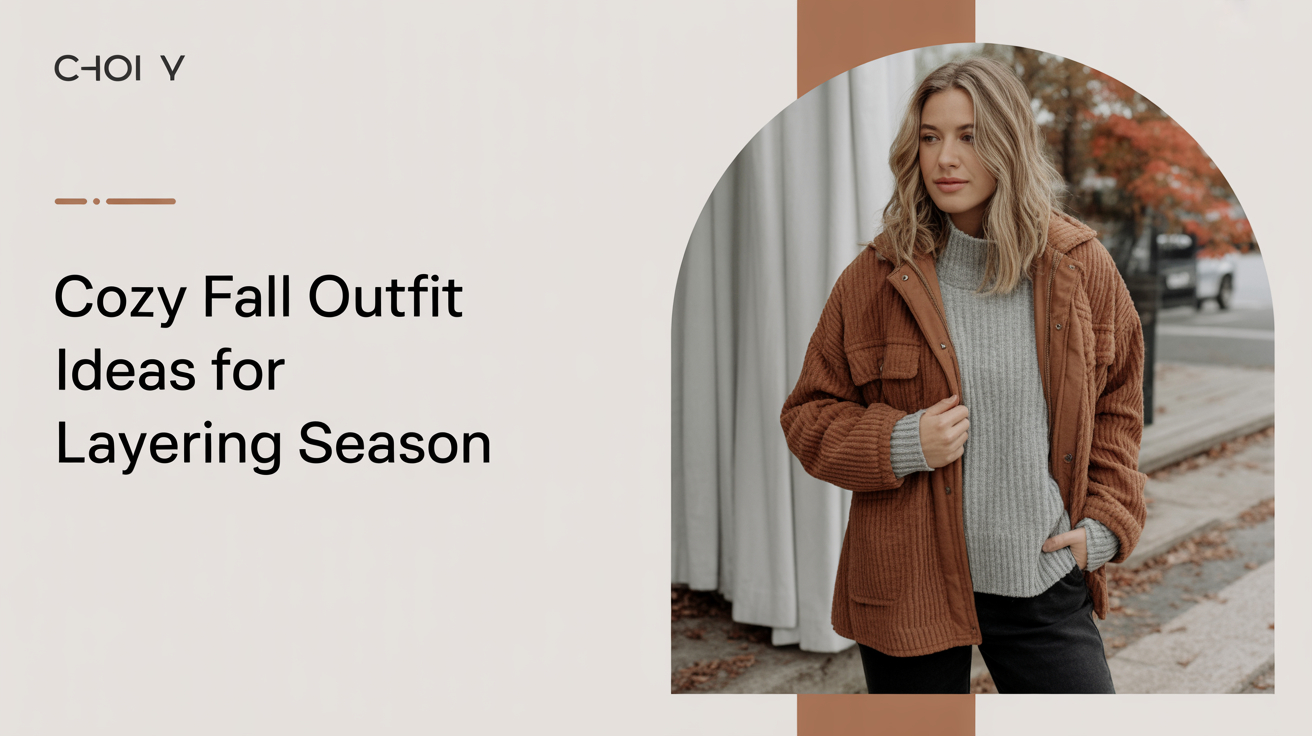
Fall dressing is mostly a layering puzzle. The morning calls for a jacket; by noon you're peeling it off. The best fall outfit ideas solve that problem from the ground up: a warm enough base, a middle layer you can remove without undoing the whole look, and outerwear that earns its keep without swallowing your silhouette.
Below is a practical framework for building cozy fall outfits that actually hold up, followed by specific formula combinations for different occasions and body temperatures.
Start with a Base Layer That Carries the Look
Most people treat the base layer as invisible, but in fall it often ends up the main event when a jacket comes off indoors. That means it has to work on its own.
What Makes a Good Fall Base Layer
Fabric matters more than thickness here. A thin merino or modal long-sleeve reads polished and stays comfortable through a warmer afternoon. A chunky cotton thermal reads more casual. For autumn outfits built around a workplace or social outing, lean toward:
- Fitted ribbed turtlenecks in oatmeal, camel, or deep green
- Long-sleeve mock-necks in neutral solids
- Lightweight button-downs in flannel or brushed cotton (these can double as a light outer layer on mild days)
The fit should be close enough that adding a sweater on top doesn't create extra bulk at the waist.
Bottoms That Anchor Fall Looks
Straight-leg or wide-leg trousers in mid-weight fabrics (a ponte knit or a heavier crepe) are easier to build layers around than fitted skinnies, which can make layered tops feel visually top-heavy. Other bottoms worth reaching for:
- Corduroy trousers in rust, olive, or deep navy
- Midi skirts in plaid or brushed cotton
- Wide-leg jeans in a dark rinse, versatile enough for nearly every occasion
The Middle Layer: Where the Outfit Gets Its Texture
This is the layer that most fall layering outfits live or die by. It sits over the base and under the coat, and it's what people actually see when you're indoors.
Sweaters
A crewneck or V-neck sweater in a heavier knit is the most reliable middle layer. The trick is choosing a weight that still closes under a coat. Chunky cables create a lot of extra volume, which makes zipping a trench or leather jacket awkward. A mid-weight cardigan or pullover hits the sweet spot.
Textures worth reaching for this fall:
- Bouclé or boucle-adjacent knits (the nubby surface reads rich without being precious)
- Fisherman knits in oatmeal or cream
- Ribbed cardigans that button fully and can function as outerwear on the mildest days
Layering Pieces That Aren't Sweaters
Not every cozy fall outfit needs a sweater. A denim jacket over a heavyweight tee reads casual in the best way. A tailored blazer in herringbone or houndstooth adds structure without heat you can't adjust. A vest, whether a puffer or a chunky knit style, adds insulation over a long-sleeve without restricting arm movement.
If you tend to run warm, a vest-based fall look is one of the most practical options going. It keeps your core comfortable without locking you into a full layer you'll regret by lunchtime.
Outerwear That Finishes the Look
The coat pulls everything together, which means it also has to work with the two layers underneath it.
Trench Coat
A classic trench in camel, khaki, or even a dark hunter green layers over almost any silhouette. The belt ties loose when you're wearing a thicker sweater underneath. It reads polished enough for a work outfit and relaxed enough for a Saturday morning out.
Leather or Faux-Leather Jacket
A leather jacket shortens the perceived silhouette, so it pairs naturally with wide-leg or high-waisted bottoms. It works well over a fitted ribbed turtleneck and trousers, less well over a chunky sweater unless you've sized up in the jacket.
Wool Coats and Overshirts
A long wool coat in grey, black, or camel turns even simple autumn outfits into something intentional. An overshirt (a heavyweight flannel or CPO jacket worn open as a layer) gives a more relaxed take on the same idea, without the formality of a structured coat.
Four Fall Outfit Formulas to Build Around
Rather than one-off looks, these are repeatable combinations you can rework using pieces you likely already own.
Formula 1: The Turtleneck and Trousers Stack
Fitted ribbed turtleneck plus straight-leg corduroy trousers plus loafers plus a wool coat. This reads polished without trying. Swap the wool coat for a leather jacket if you want to bring the register down.
Formula 2: Flannel Over a Long-Sleeve
Brushed cotton long-sleeve plus an open flannel shirt worn as a layer plus dark-rinse wide-leg jeans plus white sneakers or ankle boots. This works well for a day that starts cool and warms up by afternoon. The flannel comes off without disrupting anything underneath.
Formula 3: Midi Skirt with a Chunky Knit
A plaid or solid midi skirt plus a chunky crewneck sweater plus knee-high or ankle boots plus a trench or camel coat. The length of the skirt and the weight of the knit balance each other out. Add tights once temperatures drop further. This combination also adapts well as a wedding guest look when the venue doesn't call for something dressier.
Formula 4: The Vest Stack
Fitted long-sleeve tee plus a knit or puffer vest plus straight-leg jeans plus ankle boots. Low-key but deliberate. In colder temperatures, add a trench or wool coat over the top for three visible layers that still feel cohesive rather than piled on.
Shoes and Accessories for Fall Layering
Footwear grounds the whole outfit, and in fall it often has to handle mixed conditions.
Ankle boots are the most versatile fall shoe and pair well with every bottom length. Loafers (especially chunkier-soled styles) read both casual and polished depending on the rest of the look. Tall boots work over slim trousers and under midi skirts.
Scarves do real work in fall. A wool or cashmere square tied loosely at the neck adds warmth without adding a full layer. Beanies keep the look casual; a structured beret or bucket hat reads slightly more considered.
Bags shift with the season. Structured leather totes and crossbody bags in warm browns and tans sit naturally alongside fall's overall palette and tend to hold up better through rain and wind than canvas or woven styles.
Frequently Asked Questions
How do I layer without looking bulky?
The trick is to thin out in one direction. If the base layer is slim and close-fitting, the middle layer has room to be relaxed or textured. If you're going with a chunkier sweater, keep the pants streamlined. The coat should also fit properly across the shoulders: a coat that's too small across the back will look strained the moment you layer underneath it.
What colors work best for fall outfit ideas?
Fall has a palette that repeats for good reason. Camel, rust, burgundy, olive, forest green, oatmeal, and deep navy all pair naturally with each other. You don't need to wear all of them at once. Start with one seasonal tone (rust trousers, an olive coat) and build the rest of the look in neutrals.
Can summer pieces work in fall outfits?
Yes, with the right layering. A linen blouse works under a cardigan or blazer. A cotton midi dress works over a fitted long-sleeve or under a trench. The layering is what makes the piece feel seasonal, not replacing it entirely.
What's the best middle layer for someone who runs warm?
A vest is the practical answer. It insulates the core without trapping heat at the arms. A lightweight cardigan you can take off and drape over a bag is another option. Thick wool sweaters are harder to manage indoors if you already tend toward warmth.
How do I build cozy fall outfits without overspending?
Start with what's already in your closet from other seasons. Add one base-layer piece (a ribbed turtleneck is affordable and changes a lot of looks), one medium-weight layer (a cardigan or a flannel), and rely on a coat you already own. Fall layering doesn't require all-new seasonal pieces. Most of it comes from combining what you have in a new order.