Outfits
Cute Winter Outfit Ideas to Stay Warm
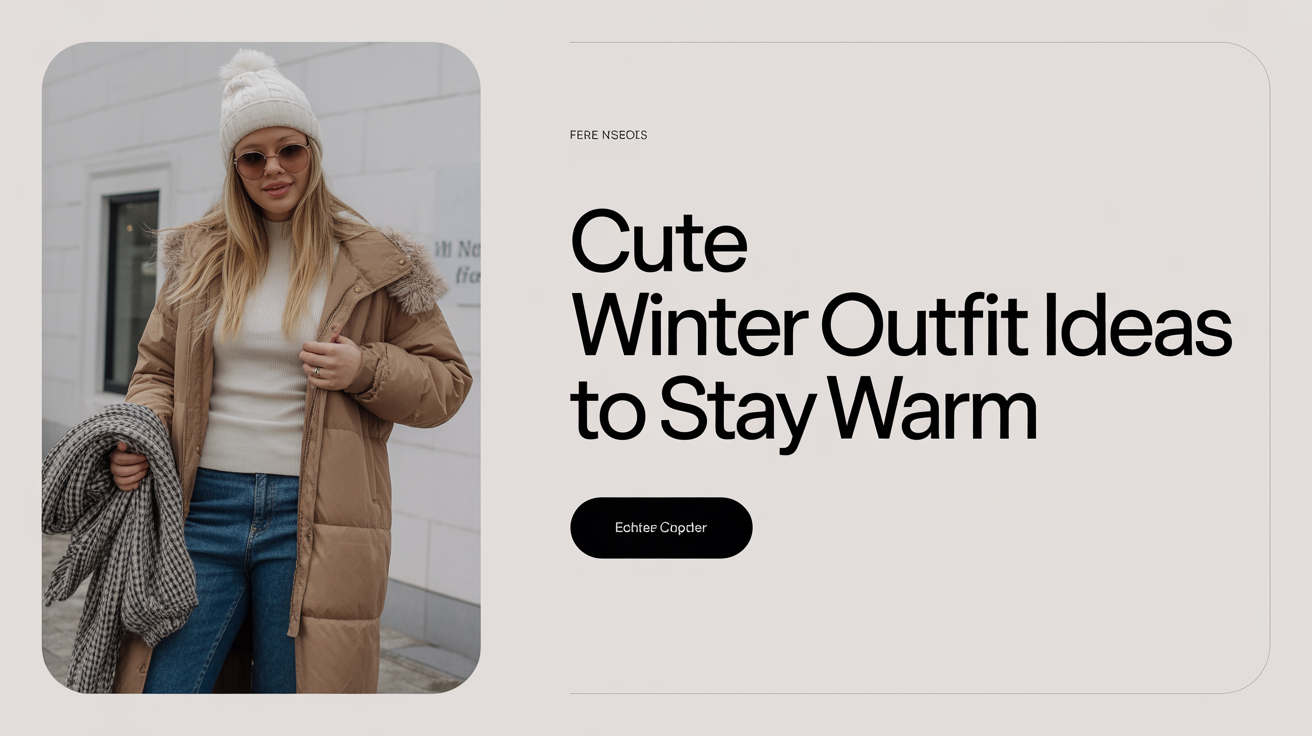
Staying warm in winter and looking put-together are not a trade-off. The real issue is usually that people treat warmth as an afterthought, piling on whatever is at hand rather than building an outfit with purpose. These winter outfit ideas start with how cold it is and work outward, so you arrive warm and looking like you planned it.
Start With a Solid Base Layer
Everything else sits on top of this, so it matters more than most people give it credit for. A thin, fitted thermal or merino wool base layer traps body heat without adding visible bulk. Merino is worth the extra cost if you run cold: it regulates temperature, wicks moisture, and does not hold odors the way synthetic fleece does.
For most mild-cold days (around 40-50°F), a fitted long-sleeve tee in a soft cotton blend is enough under a sweater. Drop below freezing and a proper thermal becomes non-negotiable.
Colors That Work Under Everything
Stick to nude, white, cream, or black for your base. These disappear under sheer or lighter-knit sweaters and do not show through. A heather grey also works well and tends to be slightly warmer-looking in texture.
What to Avoid at the Base
Anything too thick adds lumps under fitted tops. Skip heavy waffle-knit thermals as a base if you plan to wear a slim-cut shirt or bodysuit over them. Save those for a cozy stay-home day when the layering stops there.
Midlayer Options That Pull Outfit Weight
The midlayer is where style really happens in winter dressing. This is your sweater, fleece, or structured knit, and it does most of the visual work.
Chunky Knits Done Right
An oversized chunky knit sweater in a neutral (camel, oatmeal, charcoal, cream) pairs with nearly everything. Wear it with straight-leg or wide-leg trousers and flat knee boots for a casual Saturday look that still looks considered. Tuck the front corner loosely into your pants to break up the volume.
With jeans, go for a slim straight or a high-rise skinny to counter the bulk on top. Barrel-leg jeans also work surprisingly well with an oversized sweater because the proportions feel intentional rather than accidental.
Cardigans as a Layer
A long cardigan worn open over a fitted turtleneck and tailored trousers reads much more polished than a heavy coat on its own. For a work outfit that looks polished and deliberate, a fine-gauge cardigan in charcoal or navy over a silk-look blouse is a strong combination, especially with straight trousers and block-heel loafers.
Fleece Vests and Puffer Vests
The vest had its moment and, honestly, it keeps earning its place. A fleece or quilted puffer vest over a fitted turtleneck under a longer wool coat gives you three layers without restricting arm movement. Good for days when you are moving between heated buildings and cold outdoor stretches.
Cold Weather Outfit Formulas That Hold Up
Rather than listing pieces in isolation, here are a few complete looks that work as-is or with small swaps.
The Casual Weekend Look
- Fitted thermal or long-sleeve tee (base)
- Oversized camel sweater
- Dark-wash straight-leg jeans
- White crew socks with chunky leather loafers or ankle boots
- Wool scarf draped loosely
This works for errands, a coffee date, or a farmers market. Add a longer wool coat if the temperature drops below 35°F.
The Polished Cold-Day Outfit
- Fine silk or modal turtleneck
- Wide-leg tailored trousers in charcoal or camel
- Fitted wool blazer or structured knit cardigan
- Block-heel ankle boots or tall flat boots
- Minimal gold jewelry
This reads professional without looking stiff. For days with back-to-back meetings or a wedding guest situation in colder months, swap the trousers for a midi skirt and add sheer tights.
The Going-Out Winter Look
- A fitted bodysuit or ribbed turtleneck
- Faux leather or satin midi skirt
- Sheer or opaque tights (70 denier or higher for actual warmth)
- Heeled ankle boots or strappy block-heel heels
- A long structured coat worn open over everything
The coat is the finishing piece here, not just a functional add-on. A camel or black longline coat over a dressier outfit is one of the most reliable chic winter outfits you can pull off without much effort.
Winter Layering Without the Bulk
Layering often goes wrong because people add pieces without thinking about fit at each stage. Here is the framework that actually works.
Layer 1 (base): fitted and smooth. It should sit close to the body so there is nothing to bunch or fold.
Layer 2 (mid): slightly more volume, but not oversized if you plan to add a coat. A medium-weight knit or a blazer is ideal. Reserve the oversized chunky sweater for days when a coat is your outermost layer.
Layer 3 (outer): should have room to move over everything underneath. If your coat feels snug with just a thin sweater on, it will not button comfortably over a thicker midlayer. Size up in coats specifically for winter wearing.
One thing that helps with proportions: keep your bottom half slimmer when the top is layered heavily. A narrow trouser or a straight-leg jean under a big coat and chunky sweater grounds the look. Wide trousers work when the top layer is more contained, like a fitted turtleneck under a structured coat.
Accessories That Do Real Work in Winter
Accessories are where a lot of warmth is lost or gained, and they do not have to look purely functional.
Scarves: A large wool or cashmere scarf wrapped twice around the neck is one of the most effective ways to stay warm. Look for scarves with some heft: thin acrylic scarves barely break wind.
Hats: A fitted beanie in a neutral pulls on over a blowout and keeps ears covered without looking sloppy. If you run warm on top, an earmuff headband keeps the ears protected while keeping the hair intact.
Gloves: Leather gloves with a cashmere lining are the ones you actually reach for. Knit gloves are fine for light cold, but they let wind through on the worst days.
Boots and socks: Knee-high leather boots with a flat or low heel are both warm and practical. Lined or fur-cuffed options add obvious warmth. For ankle boots, wear them with thick crew socks that peek above the cuff slightly. It sounds like a small detail but it reads much more intentional than bare ankle skin in December.
For warm-weather outfit planning the rest of the year, summer outfit ideas for every occasion cover the opposite end of the seasonal dressing problem.
What to Look for in a Winter Coat
Your coat does most of the heavy lifting, so it is worth thinking carefully rather than defaulting to whatever is on sale.
Wool and wool blends hold warmth well and look sharp. A 60% or higher wool content is the threshold where you notice the difference. Pure wool is ideal but expensive. Blends with polyester or viscose are more affordable and still perform.
Down and puffer coats are warmer by weight than wool and pack smaller. The tradeoff is they can look bulky. If warmth is the priority and aesthetics are secondary, down is the better choice. Longer styles and fitted quilted options are the most flattering.
Length: A knee-length or midi coat covers more of your body and keeps legs warmer on the walk between your car and a building. Short coats look sharper with certain outfits but expose more of your lower body to cold.
Lining: Check that the coat is fully lined. Half-lined coats feel worse to put on over a sweater and do not insulate as well.
Frequently Asked Questions
How do you stay warm without wearing bulky layers?
Focus on the quality of each layer rather than the number of them. A thin merino base layer retains more heat than a thick cotton one. A single well-fitted midweight coat over a fitted turtleneck can be warmer than three loose cotton layers. Cashmere and merino wool are both notably light and warm relative to their weight.
What are the most versatile pieces for cold weather outfits?
A fitted turtleneck, a slim-cut midlayer (cardigan or blazer), tailored trousers, and a quality coat cover most occasions from casual to formal. These pieces mix across different outfits rather than anchoring one specific look, which makes them worth spending more on.
How do I wear a midi skirt in winter and still stay warm?
The key is legwear. Opaque tights rated at 70 denier or higher provide noticeable warmth. Layer over them with over-the-knee or tall boots if the temperature drops below 30°F. A midi skirt that hits around the calf keeps the most leg coverage and stays the warmest of the skirt lengths.
Can I wear open-toe shoes in winter?
For very mild winters (above 50°F), open-toe boots or mules over tights can work. Below that, it becomes uncomfortable quickly and the shoes themselves usually show wear from cold, damp sidewalks. Most open-toe silhouettes are more practical from spring through fall.
What is the best color palette for winter dressing?
Neutrals carry the most mileage: camel, charcoal, navy, black, cream, and burgundy. These layer together without clashing and transition from day to night without re-dressing. Deep jewel tones (forest green, plum, rust) add some interest and still coordinate with most neutral coats and accessories.