Nails
Fall Nail Colors and Designs
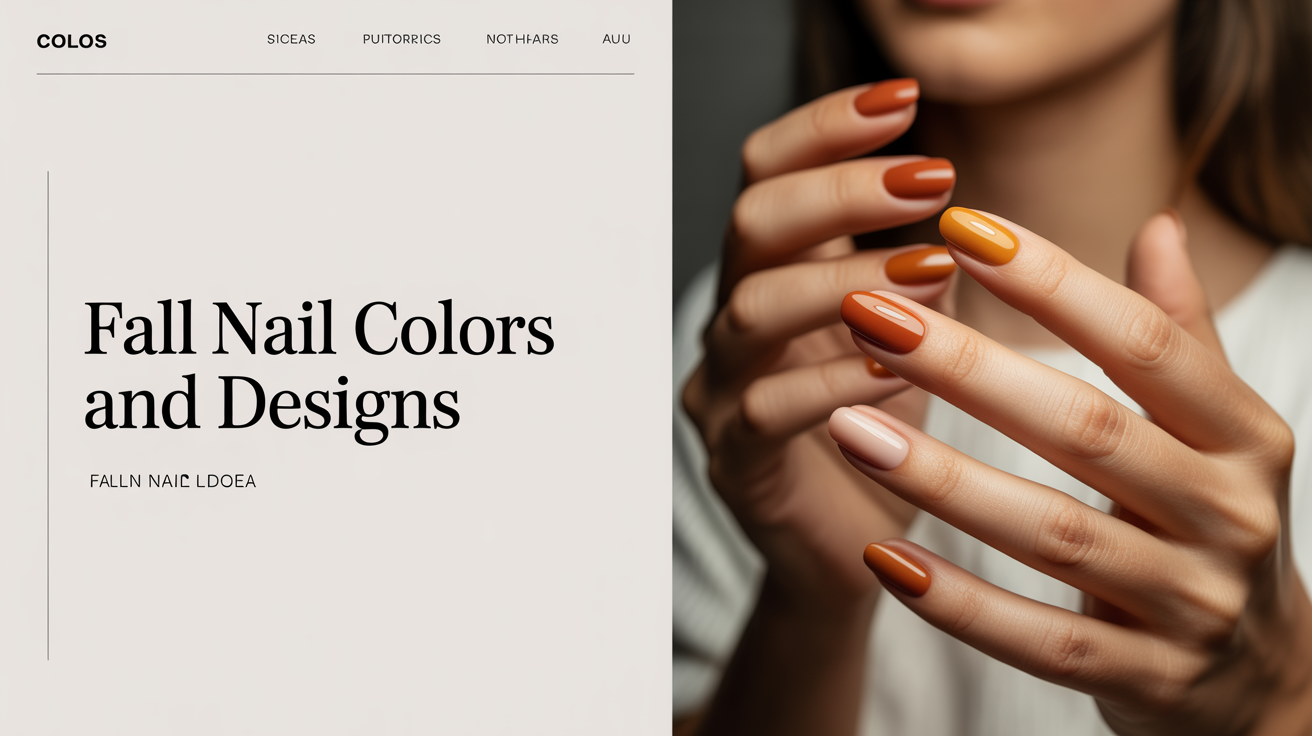
September hits and suddenly the bright corals and neons feel a bit off. Your nails want something different, something that matches the shift in light and the weight of a good wool coat. The good news: fall has one of the strongest color stories of any season, and the designs that go with it range from a simple dark monocolor to something a lot more textured and interesting.
This guide runs through the autumn nail colors that actually look good in real life, the designs worth trying (including some that are more doable at home than you'd expect), and a few practical notes on making darker polish last longer than a week.
The Colors That Define Fall Nails
Autumn nail colors tend to cluster around the same families every year, and that's not a limitation. Within those families there's a lot of range, and the difference between a burgundy that reads cheap and one that reads expensive often comes down to undertone and finish.
Burgundy and Deep Berry
Burgundy is the fall nail standard for good reason. It flatters most skin tones, photographs well, and looks put-together whether your nails are cut short and square or left long. The shades worth paying attention to lean either cool (more purple-leaning, almost plum) or warm (more red-leaning, like a ripe cherry). Cool burgundy tends to look sharper against fair skin; warm burgundy deepens beautifully on medium and deeper complexions.
Deep berry, one step darker than cranberry and a step lighter than true burgundy, is the middle ground that works on almost everyone. It's less expected than a classic red and less severe than a near-black plum.
Terracotta and Burnt Orange
Terracotta is the color that feels most specifically autumnal, the one that genuinely looks odd in April but perfect in October. It reads warm, earthy, and slightly muted. The most wearable versions have a brown undertone rather than a pure orange base, which keeps them from looking fluorescent against skin.
Burnt orange is brighter and more statement-making. Pair it with simple outfits and it becomes a focal point. On shorter nails it stays graphic; on longer nails it can tip into the dramatic in a good way.
Chocolate Brown and Caramel
Dark chocolate and espresso shades have had a sustained moment, and they're holding. These are the fall nail ideas that look most effortless, partly because they're close to natural nail tones and partly because they pair with literally everything in an autumn wardrobe. Brown isn't "safe" in a boring sense; it's quietly confident.
Caramel, the lighter sibling, leans more warm-nude and is an easier daily wear shade for anyone who finds deep chocolate too heavy. Swap in a glossy topcoat and a caramel nail looks almost like a deeper version of your natural nail.
Forest and Olive Green
Green earns its place in the fall palette. Forest green, in particular, is deep enough to feel seasonal while being different enough from the standard burgundy and brown options to actually stand out. It looks especially good against warmer skin tones and pairs well with gold jewelry.
Olive green is earthier and slightly more muted. It borders on a military green and has a tactile, almost textured quality that suits the season. Both shades work well in a matte finish, which takes the edge off their intensity.
Dark Nails: Making Them Work
Dark nails require a bit more prep and application care than lighter shades, mostly because every imperfection shows. A few things that actually make a difference:
Use a ridge-filling base coat rather than a standard clear base. Dark pigments settle into ridges and show texture through the color in a way that light shades won't. A filling base creates a smoother canvas.
Apply dark polish in thin coats. Three thin coats beats two thick ones every time. Thick coats of deep color take forever to fully cure, which means they dent and smear hours after you think they're done.
Cap the free edge. When you apply each coat, run the brush lightly across the very tip of your nail. Dark colors chip most visibly at the tips, and sealing that edge adds days of wear.
If you're working with black-adjacent shades like deep forest green or near-black plum, any pooling or flooding around the cuticle looks more dramatic than it would with a nude shade. Take your time at the cuticle line, especially on the first coat.
Fall Nail Designs Worth Trying
The Simple One-Shade Look
Nothing communicates "I have my life together" more reliably than a single perfect shade of deep polish, neatly applied with a good topcoat. This isn't settling for less, it's the design that holds up longest and translates across every context. Choose your shade, get the application right, and call it done.
gel-vs-acrylic-nails-which-one-is-right-for-you is worth reading if you're trying to decide whether to start doing your own nails or stick with salon visits for darker shades, where color removal can be trickier.
Negative Space Designs
Negative space designs leave part of the natural nail exposed, which creates a geometric look without requiring a steady hand for intricate freehand work. Striping tape does most of the work: apply it in your chosen pattern, paint over it with your fall color, wait until the polish is just barely set (still slightly tacky), and peel the tape off. The result is a clean line you couldn't have painted freehand.
A half-moon at the base of the nail and a horizontal band near the tip are the two most common approaches. Both work especially well with burgundy and forest green.
Plaid Accent Nails
Plaid sounds intimidating but it's mostly just a grid. On one or two accent nails, use a thin nail art brush or a striping brush to lay down two or three thin horizontal lines in one color, then cross them with two or three vertical lines in a different color. The overlapping intersections create the plaid pattern. Burgundy with cream and forest green, or chocolate brown with orange and tan, read as genuinely autumnal without veering into costume territory.
Textured and Glazed Finishes
Chrome powders in copper and bronze give a textured, almost foiled look that photographs well and wears like a regular manicure when sealed properly. The application requires a gel base (the powder adheres to the tacky surface of a gel topcoat before curing), so this one leans more toward salon territory unless you're already set up for gel at home.
Matte topcoats are the lower-effort texture swap. Any fall shade looks distinctly different in matte versus glossy, and buying a single matte topcoat means you can switch the finish on any polish you already own. Burgundy matte reads almost velvety; terracotta matte looks earthy in a deliberate way.
If you've been doing french-tip-nail-designs-beyond-the-classic, the same concept translates beautifully to fall: instead of white at the tip, use dark burgundy, espresso brown, or forest green on a nude base.
Choosing the Right Shade for Your Skin Tone
The classic advice about warm versus cool undertones is a reasonable starting point, but it's not a rule. A few more useful guidelines:
Shades with strong red or orange undertones (terracotta, rust, burnt orange) tend to create more contrast against cooler, pinkish skin, making them more attention-grabbing. On golden or olive skin, they blend in and look seamlessly warm.
Dark, near-black shades like deep plum or espresso brown can overwhelm very fair skin at first glance but look striking once your eye adjusts. If you're fair and uncertain, try a shade that's one or two steps lighter than your instinct says and see how it sits against your knuckles.
If you want the fall nail aesthetic without going full dark, a deep terracotta or a milky chocolate brown is a middle-ground that reads autumnal without the same visual weight as a near-black burgundy.
This is also the time of year to revisit what you wore over the summer. summer-nail-color-ideas-to-try-now shows what the lighter palette looks like, and comparing the two seasons makes it easier to see where your personal comfort level sits on the dark-to-light spectrum.
Frequently Asked Questions
What are the most popular fall nail colors?
Burgundy and deep berry are consistently the most-reached-for shades, followed by chocolate brown and terracotta. Forest green has grown in popularity and now sits firmly in the mainstream fall palette alongside the classics.
Do dark nails chip faster than light nails?
Dark polish doesn't chip inherently faster, but chips are more visible against a deep background. Prep (base coat, clean nails, thin coats) and a quality topcoat make the biggest difference. Capping the free edge when applying each coat also extends wear noticeably.
Can I do fall nail designs at home without nail art tools?
Yes, with some limitation. Striping tape opens up negative space designs without requiring a brush. Dotting tools (or the flat end of a bobby pin) handle dot-based patterns. True detailed designs like fine lines or tiny leaves require a thin brush, but the most wearable fall nail ideas are almost always the simpler ones.
What finish works best for autumn nail colors?
Glossy topcoat makes dark shades look rich and dimensional. Matte topcoat gives them a more tactile, subdued quality. Both are worth trying on the same polish to see which suits you. Chrome and metallic finishes work well on accent nails or for a specific occasion; they're harder to maintain as an everyday look.
How long does a dark nail manicure last?
With proper prep and a good topcoat, a dark polish manicure lasts around five to seven days on short to medium nails before visible tip wear begins. Gel extends that to two to three weeks. If you find your manicure shortening significantly less than five days, the likely culprits are insufficient base coat, thick coats that didn't fully cure, or washing your hands before the polish was completely dry.