Nails
French Tip Nail Designs Beyond the Classic
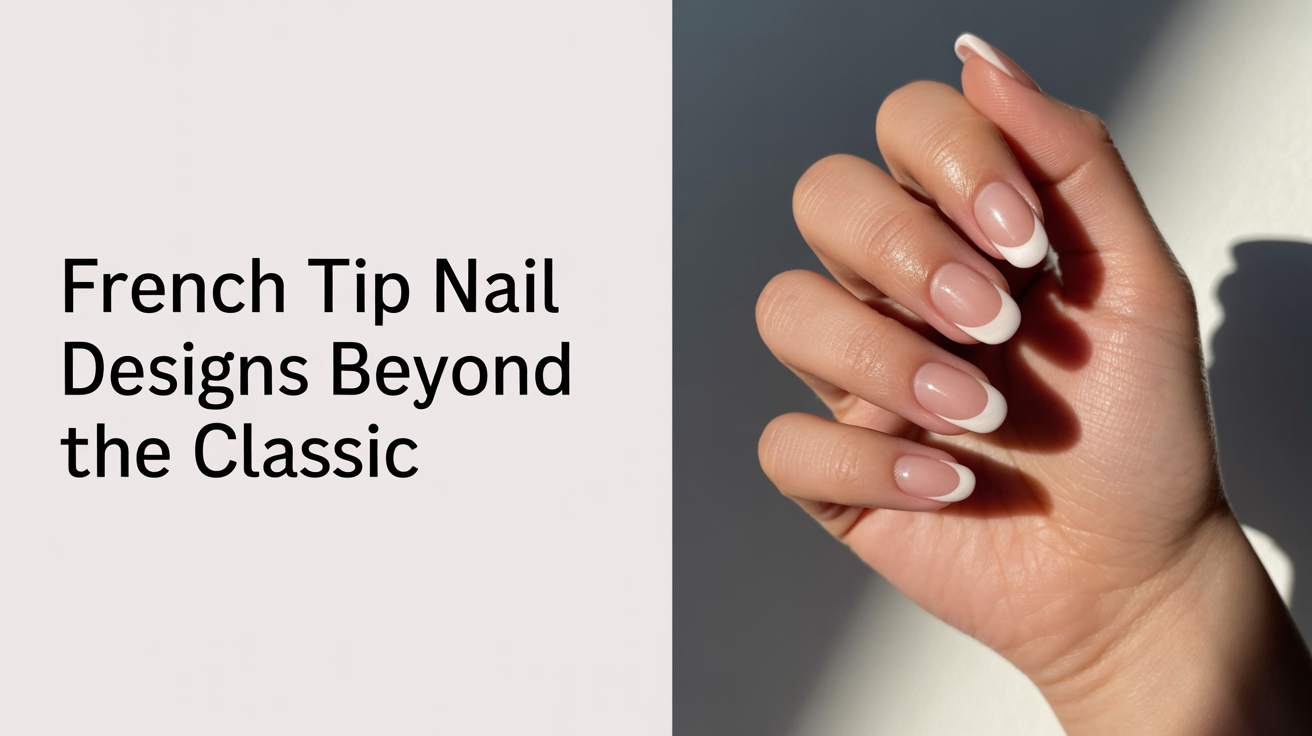
French tip nails are one of those looks that never fully disappears. The original white-tip french manicure has been a salon staple since the 1970s, and right now it's everywhere again — except the version showing up on feeds and in nail studios looks nothing like your mom's square-tipped set. Colored tips, thin micro-lines, squiggly freehand arcs, negative space cutouts: the silhouette is the same, but the execution has gotten genuinely interesting.
Why the french tip format works so well
The reason this shape keeps coming back isn't nostalgia. It's proportion. A defined tip draws the eye outward and makes fingers look longer regardless of nail length. That's useful whether you're rocking short naturals or a long almond set.
The original french manicure used a sheer pink base with a stark white tip. That contrast ratio is the whole thing — your brain reads "clean nail" because the base mimics bare skin. Modern interpretations play with that contrast in every direction: softer tips that barely read as white, or bold tips in a color that has no business being mistaken for bare skin at all.
It's also one of the few nail styles that works in gel, acrylic, or plain polish without losing its identity. If you're weighing whether to go gel vs acrylic nails for your next appointment, the french format is forgiving either way. Both hold the tip color cleanly without much bleeding.
Modern french tips: shape changes everything
The classic french tip uses a rounded smile line across a square or squoval nail. That silhouette is fine, but it's also the most basic version. Shape is where the look gets updated fast.
Thin line french
Instead of a thick white band, a thin-line french uses a 1–2mm stripe at the very edge of the nail. It reads more graphic and less retro. Nail techs do this with a detail brush and nail art liner, or with thin tape as a guide. It's unforgiving on uneven free edges, so your nail shape needs to be clean first.
Micro french on short nails
Short nails are actually ideal for micro french tips. Because the free edge is minimal, even a sliver of white or color at the tip reads clearly. This is the version that works best for people who keep their nails short for work or practicality. It adds definition without looking fussy.
Almond and coffin tips
Long almond nails flip the traditional smile line into something more tapered and dramatic. The arc follows the natural curve of the nail edge and ends in a point, which makes the tip band narrower in the center and slightly wider at the sides. On coffin (ballerina) nails, the flat tip means the french line goes straight across, which looks cleaner and more geometric than a curved smile line.
Colored french tips: the most requested update right now
The biggest shift in french manicure design over the past few years is color. White tips are still popular, but clients are increasingly asking for something different on the tip: sometimes because they want to match a season, sometimes because white against their skin tone reads too stark.
Here's a quick comparison of colored tip options, from subtle to statement:
| Tip color | Best base | Vibe | Works on |
|---|---|---|---|
| Soft beige or nude | Sheer pink | Barely-there, barely different from classic | All skin tones |
| Ivory or off-white | Warm nude | Softer than bright white, more wearable daily | Light to medium |
| Sage green | Clear or sheer | Quiet, editorial | All skin tones |
| Dusty lavender | Pale pink | Feminine without being sweet | Light to deep |
| Black | Sheer or clear | Graphic, edgy, high contrast | All, especially deeper tones |
| Cobalt or electric blue | White | Bold, summer-ready | All skin tones |
| Terracotta | Warm beige | Earthy, works year-round | Medium to deep |
| Chrome silver | Clear | Futuristic, pairs with chrome and glazed-donut nail ideas | All |
Colored french tips read as modern specifically because the tip isn't trying to mimic anything. You're not pretending the nail is bare. You're doing something deliberate.
Nail art twists on the classic silhouette
Once you accept that the tip zone is just a shape to fill, it opens up fast.
Squiggly and freehand smile lines
The "sloppy french" or wavy tip started as a deliberate anti-precision thing — wobbly arcs done in gel liner, sometimes asymmetric across the hand. It's an aesthetic choice that looks intentional when done with some confidence and accidental when done nervously. The technique requires a thin liner brush and a fairly steady drag. Practice on a piece of paper or a nail tip before going on a real nail.
Double french tips
Two stacked lines at the tip, usually in different colors or finishes. The first line sits just at the edge, the second about 2mm behind it. It sounds fussy but it's actually pretty quick with two colors of gel liner. This pairs well with a glass or milky base, something translucent that lets the layering feel light.
Negative space french
Instead of color on the tip, you leave the tip bare and paint the base of the nail. The effect inverts the expected contrast. This works best on longer nails where you have enough real estate for the blank tip to read as intentional. Clear gel over the whole thing keeps it from looking unfinished.
Stamped or foil tips
Stamping plates with lace or floral patterns applied at the tip zone, or foil pressed just along the smile line, adds texture without a lot of skill requirement. These look complicated but most people can manage them at home with a stamper and some practice.
How to do french tip nails at home
You don't need to go to a salon for this. The basic technique is accessible, especially for shorter nails where precision matters less.
What you need:
- A sheer or nude base polish
- Tip color (white, or any color you're working with)
- Nail guides or tape (optional but helpful)
- A thin detail brush if you're freehanding
- Top coat
Steps for clean tips with nail guides:
- Paint base color and let it dry completely (rushing this is the most common mistake)
- Press guides along your smile line with enough pressure to seal the edge
- Apply your tip color in two thin coats, pulling the brush from the side of the guide toward the center
- Peel guides while the second coat is still slightly tacky, not fully dry
- Clean up any bleeding with a small brush dipped in remover
- Top coat the whole nail
The biggest mistake at home is applying tip color while the base is still soft. It bleeds under the tape and ruins the line. Wait longer than you think you need to.
For colored french tips with shimmer or glitter, apply those in a single coat. Too many layers and the guide line gets thick and visible at the edge.
Caring for your french manicure
French tip nails draw attention to the free edge, which means chips are immediately obvious. A couple of things extend the life of this look:
- Apply a thin layer of top coat every two to three days, focusing on the tip
- Avoid using your nail tips to open things (obvious, but worth saying)
- If a tip chips, you can usually touch it up with a thin brush before it spreads
- Gel french tips last longer than regular polish ones, typically 2–3 weeks without chipping if applied correctly
If you're going into summer and want the look to hold through beach days and heat, a gel application from a nail tech is worth it. Summer nail color ideas often lean into the colored french format precisely because gel keeps them crisp longer.
Frequently Asked Questions
What's the difference between a french tip and a french manicure?
They're often used interchangeably, but french manicure usually refers specifically to the classic sheer-pink-base-with-white-tip look. French tip nails is a broader term that covers any nail look using a defined color or contrast at the free edge, so colored tips, thin lines, and modern variations all fall under french tip nails.
Can I do french tip nails on short nails?
Yes. Short nails actually suit the micro french style well. A thin line of white or color at the very tip reads clearly even on a minimal free edge. You don't need length for this to work, just clean, even nail edges.
How do I get the smile line to look even?
Use nail guides (the adhesive stickers sold in most nail supply stores) and press them down firmly before applying tip color. Freehand smile lines take practice, and the trick is pulling the brush in one direction rather than dabbing. Many nail techs drag the brush from the outer edge inward to the center, then repeat from the other side.
Do colored french tips look natural?
That depends entirely on the color. Nude, beige, or soft ivory tips on a sheer base can look very close to natural skin tones. Black or cobalt tips do not look natural, and that's the point. The look spans from nearly-invisible to very deliberate, and you pick where on that spectrum you want to land.
How long do french tip nails last?
Regular polish french tips last about 5–7 days before chipping starts at the tip edge. Gel french tip nails typically last 2–3 weeks with minimal chipping. Acrylic or gel extensions with gel color can last even longer, though they'll need fills as your natural nail grows out.