Nails
How to Make a Manicure Last Longer
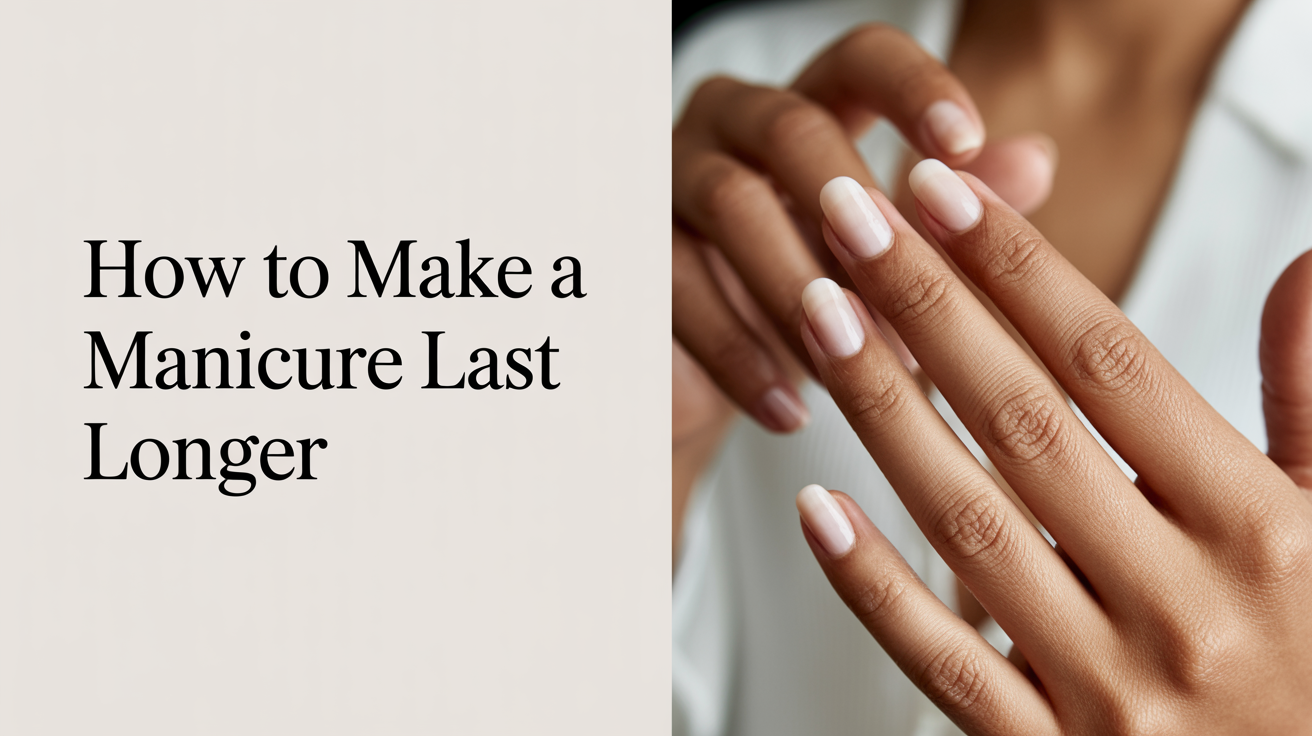
A fresh manicure looks great for about three days and then, quietly, a chip appears near the tip of your index finger. By day five you're wondering whether to strip it all off or just pretend it's intentional. Most people blame the polish, but the real culprits are usually things that happen before the first coat goes on, and in the 24 hours right after.
The good news: a few adjustments to your prep routine and how you handle your hands day-to-day can push a regular polish manicure from four or five days to ten or twelve. Here's what actually makes the difference.
Prep Is Where Long-Lasting Nails Start
This is the part most people rush, and it's where the most wear is lost. Polish needs a clean, slightly rough surface to grip. If your nail plate has oil, lotion, or old product residue on it, the base coat sits on top of that layer and peels away as a unit once it starts to lift.
Remove Every Trace of Oil First
Wipe each nail with acetone-based remover before you start, even if you're not removing old polish. Acetone cuts through natural oils and any hand lotion that's soaked in. Plain nail polish remover (non-acetone) doesn't do this as effectively. Buff each nail lightly with a 180-grit file afterward, which creates a texture for the base coat to bond to. Then wipe again with a lint-free pad soaked in remover and let the nails dry for a full minute before touching them.
Don't apply hand cream right before you start. If you want moisturized cuticles during your manicure, push them back, apply a drop of cuticle oil, wait two minutes, then wipe the nail plate clean again.
Shape Before You Polish, Not After
File in one direction to reduce fraying at the tip. Filing back and forth creates micro-tears in the nail edge that encourage peeling later. Pick a shape and commit before the base coat goes on, because filing over fresh polish forces the edge open again.
Square edges chip at the corners more readily than rounded or oval shapes. If you tend to get corner chips first, filing to a soft square (the corners slightly rounded) can add a day or two of wear on its own.
Push and Trim the Cuticle Area
Polish that creeps onto the skin around the base of the nail will lift as that skin moves, pulling the whole manicure with it. Use a rubber cuticle pusher or orangewood stick to press the cuticle back to the base. Trim any loose skin you can reach cleanly. You don't need to cut live cuticle, just the translucent dead skin sitting on the nail plate itself.
Layering: Base Coat, Color, and Top Coat
Getting long-lasting nails from regular polish is largely a layering problem. Each coat has a job, and skipping any of them costs days of wear.
The Base Coat Is Non-Negotiable
A base coat does two things: it gives the colored polish a surface to stick to, and it protects the nail plate from staining. Sticky or bonding base coats (formulas labeled "adhesion" or "grip") tend to outperform the clear, thin versions for wear. Apply a thin layer, cap the free edge of the nail (run the brush across the very tip), and let it get slightly tacky before moving to color.
Apply Color in Thin Coats
Thick coats take longer to cure, stay flexible, and chip faster. Two or three thin coats of color outlast one thick coat almost every time. Each coat should look slightly sheer on its own. Cap the free edge of the nail with color just as you did with the base coat. Let each coat become matte before adding the next.
Top Coat and the Refresh Trick
A quality top coat does a lot of the work here. Apply it generously, capping the edge again. The most reliable way to extend wear is to add another thin layer of top coat every two or three days. You don't need to remove anything. A fresh top coat reseals small cracks before they become chips and refreshes the shine at the same time. This one habit alone can add three to four days of clean wear.
If you're considering something more durable, gel and acrylic formulas each have advantages depending on how your nails grow and how rough your hands get during the week.
Daily Habits That Actually Protect Your Polish
Even a perfect application can be undermined by how you use your hands over the next several days. These are the habits worth building.
Use your knuckle, not your nail, as a tool. Opening ring pulls, popping cans, peeling stickers, clicking a seat belt. These are the small moments that force the nail tip against a hard surface and create chips. Retrain yourself to use the pad of your finger or a knuckle.
Wear gloves for dishes and cleaning. Prolonged water exposure causes polish to swell and lift, especially around the edges. The base of the nail near the cuticle is particularly vulnerable. Fifteen minutes of dish washing three times a day adds up fast. Keep a pair of rubber gloves near the sink and use them.
Dry your hands thoroughly. After washing, spend a few extra seconds drying the area around the nail base and under the free edge. Damp polish lifts faster than dry polish.
Apply cuticle oil daily. Well-hydrated nail beds flex without cracking, and flexible nails don't chip as readily. A small amount of cuticle oil worked into the skin around each nail each morning is one of the easiest manicure tips that most people skip.
Keep nails shorter if you're hard on your hands. Longer nails catch on things more often and create more leverage for breaks. A medium length that stays below the fingertip is usually the most wear-resistant option for active hands.
How to Handle Chips Without Restarting
A single small chip doesn't have to mean a full removal. For a tiny edge chip, file the area smooth, apply one thin coat of matching color over just the chipped nail, let it dry, then seal the whole nail with top coat. It won't be invisible up close, but it can buy another few days before you need to redo the full manicure.
For something like a classic French tip design, the white tip is the most visible part and the hardest to patch invisibly. If the tip chips, use a fine-tipped brush to rebuild the white edge, clean up the line with a pointed cotton swab dipped in remover, and seal with top coat. The edge repair is harder to spot than an obvious chip.
The real key is catching chips early. Once one chip starts, moisture and friction get underneath the edge and the whole polish layer begins to separate. Patching a one-day-old chip is much easier than trying to fix a peeling manicure on day seven.
What to Avoid in the First 24 Hours
Fresh polish takes much longer to fully harden than it looks. It may feel dry to the touch in 30 minutes, but the deeper layers stay soft and impressionable for up to 24 hours. During that window:
- Avoid long, hot showers or baths
- Skip gym sessions that involve grip work (barbells, pull-up bars)
- Don't put on or remove tight rings
- Be careful with elastic waistbands, which can leave impressions in soft polish
For summer nail looks that require bold or layered colors, this curing window matters even more because multiple coats need to harden together. A few summer nail color ideas that layer well are worth keeping in mind when you plan your next manicure.
Frequently Asked Questions
Why does my nail polish chip at the tips so fast?
The most common reason is skipping the free-edge cap during application. When you don't run the brush across the very tip of the nail, there's no sealed edge, so the polish peels from the end inward. Capping the tip with each coat (base coat, color, top coat) seals that edge and extends wear significantly.
Does the brand of polish make a difference for longevity?
It matters less than the prep and application method, but formula quality has some effect. Cheap polishes often have thinner pigment and less adhesion chemistry, which means they need more coats and tend to chip faster. That said, an expensive polish applied over oily nails with no base coat will still chip within days. Prep first, brand second.
Can I make salon polish last as long at home?
Yes, with the right prep and layering. The main differences between salon and home manicures are thorough cuticle prep, thinner coats, and consistent edge capping. These are all things you can do at home with practice. The salon also tends to use professional-grade base coats and top coats, which helps, but any bonding base coat from a beauty supply store will come close.
How often should I reapply top coat between manicures?
Every two to three days is enough for most people. If you're washing your hands frequently or working with your hands, every other day will serve you better. You don't need to remove anything first, just apply a thin layer over the existing top coat and let it dry fully before doing anything with your hands.
Is there a way to make polish dry faster without smearing it?
Thin coats dry faster than thick ones, which is the most reliable method. A quick-dry top coat helps seal the surface, though the deeper layers still take time. Cold water can speed surface drying slightly (dip fingertips into ice water for 30 to 60 seconds after the top coat looks matte). Avoid heat, which softens polish, and resist the urge to press your nails against anything to test whether they're dry.