Outfits
Plus Size Outfit Ideas That Feel Flattering
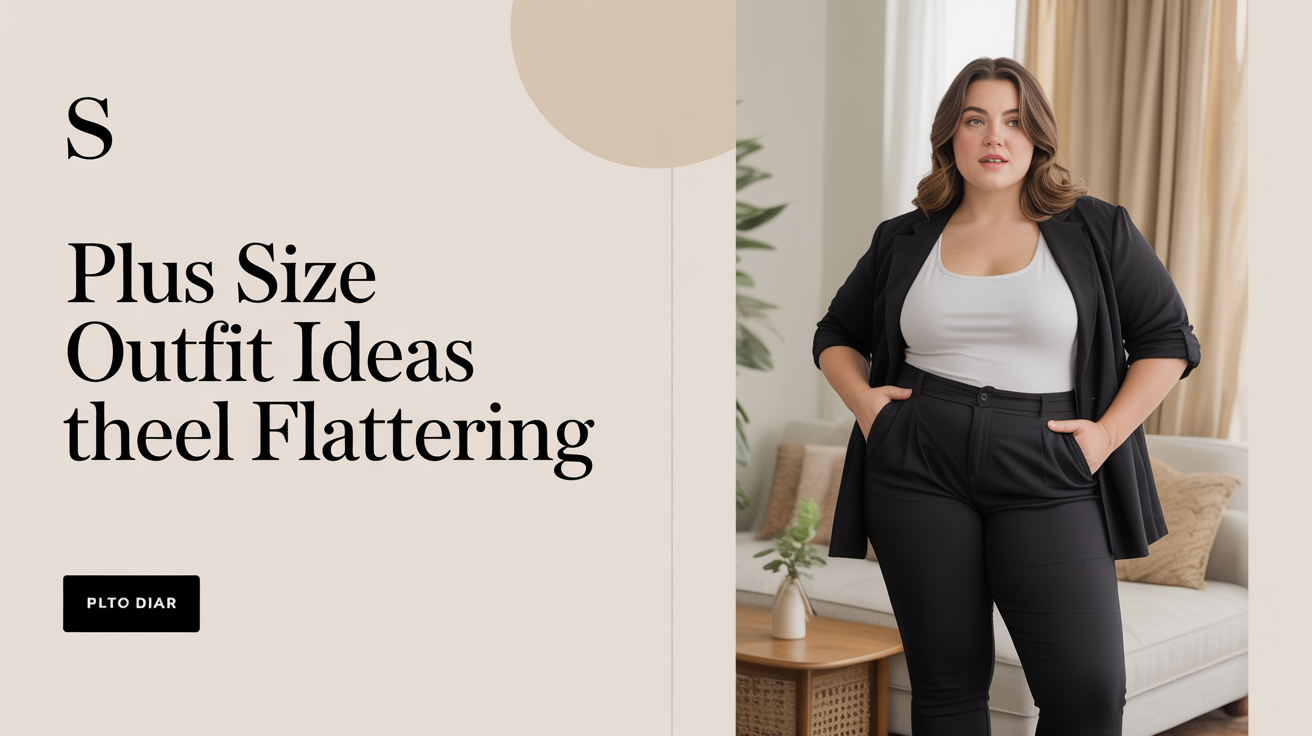
Flattering isn't a size. It's a feeling, and you can get there with the right silhouette choices, fabric awareness, and a few outfit formulas that actually hold up in real life.
The plus size fashion conversation has shifted considerably in recent years, but the search for outfits that feel good on your body doesn't come with a neat universal checklist. What works depends on your proportions, your lifestyle, and what you actually want to wear. This guide skips the generic "dress for your body type" charts and focuses on practical outfit combinations, fabric guidance, and specific styling approaches that help plus size outfits look intentional and feel comfortable.
What Makes an Outfit Feel Flattering
The word "flattering" gets tied up with shrinking or minimizing, but most people use it to mean something simpler: the outfit looks balanced and feels comfortable to move in. That framing is a lot more useful as a starting point.
Proportion Is the Real Variable
Outfits that feel flattering tend to create a clear sense of proportion, usually by defining or drawing attention to one part of the body while letting the rest breathe. A voluminous top pairs well with a streamlined bottom. A fitted top works beautifully with a full skirt. What tends to feel off is when volume is stacked on volume with nothing to break it up, which can make any outfit feel shapeless regardless of size.
A practical way to approach this: decide where you want the visual focus to land, then let the rest of the outfit support that choice without competing with it.
The Waist Is Optional, Not Required
A lot of plus size styling advice insists on "defining the waist" at all times. It works well when you want it to, but some people don't find that comfortable or aesthetically interesting. A straight-cut linen trouser with an oversized button-down can look completely pulled together with no waist definition at all. A monochromatic outfit (top and bottom in the same color family) creates a sense of length and coherence without needing a belt. Waist definition is a tool, not a rule.
Everyday Outfit Formulas for Plus Size Women
These combinations tend to hold up well across a range of curvy body shapes and are straightforward to adapt for different seasons.
High-Waist Trousers or Jeans with a Tucked Top
High-waist bottoms do a lot of work: they sit at or above the natural waist, which anchors the outfit visually and makes the torso look longer. Pair them with a fitted tee tucked in fully, or try a half-tuck (one side tucked, one hanging loose) for a more relaxed feel. This formula works in denim, ponte fabric, or a flowing wide-leg trouser.
Fabric matters here. A thick ponte or stretch denim that doesn't pull across the hips will look more polished than a thin cotton twill that stretches at the seams under any kind of movement.
Wrap Tops and Wrap Dresses
The wrap silhouette is widely worn in plus size fashion for a few practical reasons: it adjusts to fit without relying on a zipper, creates a natural V-neckline, and defines the waist gently without a constricting waistband. A wrap dress can shift from a casual daytime look with flat sandals to an evening option with heeled mules and a different set of jewelry.
Look for wrap styles in jersey, matte crepe, or viscose blends. These fabrics drape rather than cling, which keeps the silhouette smooth across the body.
Maxi Skirts with a Fitted Top
A full-length skirt creates an elongating vertical line, especially in a fluid fabric like satin, chiffon, or jersey. Pair it with a fitted top tucked in, and the combination is naturally balanced. A ribbed tank, a snug cotton tee, or a fitted long-sleeve all work. The maxi skirt is one of the most versatile pieces in a curvy outfit rotation because it reads casual with sneakers and dressed-up with heels, and it works across seasons with different layering.
Plus Size Summer Outfits to Try
Summer creates its own set of considerations: heat, humidity, fabrics that actually breathe, and individual preferences around coverage. Not everyone wants to show skin in warm weather, and not everyone wants to cover up. Both are reasonable choices.
For warm days when you prefer coverage, linen wide-leg trousers with a loose button-down shirt (left open over a tank) give you airflow without exposure. A midi linen dress in a solid or subtle print is another option that keeps you genuinely cool even in real heat.
If shorter hemlines feel comfortable to you, a fitted bike short under a flowy button-down dress gives you the breezy summer look without chafing. Bike shorts have become a standard layering piece in plus size summer outfits specifically because they solve a practical problem while staying completely invisible under skirts and dresses.
On fabric: linen, cotton voile, bamboo jersey, and rayon all breathe considerably better than polyester in warm weather. It's worth checking fabric content labels when buying summer pieces, even when the garment looks lightweight.
For a broader range of season-specific ideas by setting, the summer outfit ideas for every occasion guide covers everything from casual outings to outdoor events.
What to Look for When Shopping Plus Size Fashion
Shopping for plus size styles involves some additional variables that straight-size shopping doesn't always prepare you for.
Check How the Brand Grades Its Sizes
Some brands offer plus sizes but scale up their designs without properly regrading them for larger proportions. The result: pieces that fit oddly across the shoulders, arms, or seat. Signs of poor grading include shoulder seams that sit too far out toward the arm, sleeves that are proportioned for a narrower limb, or a rise on jeans that doesn't account for a fuller seat.
When trying something new, pay attention to where seams land. A shoulder seam should sit at the actual edge of your shoulder. A waistband on trousers should stay put without pulling down at the back. These are fit indicators you can check immediately in a dressing room.
Stretch Content Is Not Always Better
High-spandex fabric sounds practical, but it can highlight texture and movement in ways that don't always feel comfortable. A fabric with 2 to 5 percent elastane will move with your body while still maintaining structure. Anything significantly above that tends to cling tightly, which is a preference call, not a fit problem.
For trousers and blazers, look for ponte or thick twill with minimal stretch. For dresses and tops, a small amount of elastane in a woven fabric helps with ease of movement without the piece becoming a second skin.
Dressing for Specific Occasions
Work
A polished office look often comes down to fabric and fit rather than any particular silhouette. A well-fitting ponte blazer, wide-leg trousers in a neutral tone, and a tucked blouse creates a professional outfit that holds up through a long workday. Fabrics that wrinkle easily or go thin under office lighting tend to look less polished by the afternoon; ponte, structured crepe, and good quality cotton blends all hold their shape better throughout the day.
For more guidance on office styling, the work outfit ideas for a polished office look guide covers both casual and formal workplace settings.
Weddings and Formal Events
Formal occasions can feel higher-stakes in plus size fashion, but the principles are the same as any dressing challenge: fabric choice matters as much as silhouette. A midi or maxi dress in a substantial fabric (structured satin, matte crepe, or chiffon over a slip lining) will read as formal and polished. An A-line or fit-and-flare cut gives room through the hips while fitting closely above. Solid colors or small-scale prints tend to photograph better at events than large bold prints.
Stretchy bodycon styles in thin fabric are harder to wear formally, not because of size but because the fabric reads as casual at the weight class most of those garments come in. The same fitted silhouette in a heavier fabric changes the impression entirely.
For event-specific guidance by season and dress code, the wedding guest dress ideas for any season guide goes deeper on what works across different formality levels.
Frequently Asked Questions
What silhouettes tend to work well for plus size outfits?
A-line skirts and dresses, wrap styles, and high-waisted bottoms are widely flattering across different plus size proportions. That said, the most important variable is fit, not silhouette. A piece where seams sit correctly and fabric doesn't pull will look better than any "right" silhouette that fits poorly.
What fabrics are best for curvy outfit ideas?
Ponte, matte crepe, structured jersey, cotton twill, and linen are all reliable. They hold their shape, don't cling, and are available across a wide range of styles and price points. Very thin fabrics or high-spandex blends can cling in ways that feel uncomfortable, particularly over a full day of wearing.
How do you put together plus size summer outfits that stay cool?
Natural fibers breathe better than synthetics. Linen, cotton, and rayon keep you cooler than polyester blends in heat. A slightly looser fit (rather than close-fitting) also helps with airflow. For anyone bothered by inner thigh chafing, bike shorts worn under dresses or skirts are a practical and completely low-profile solution.
Do dark colors actually make a difference in plus size fashion?
Darker colors do create a slightly more streamlined appearance, but it's a minor visual effect rather than a dramatic one. Monochromatic outfits in any color work similarly: wearing the same color (or closely related tones) from top to bottom creates a continuous vertical line that reads as longer and leaner. The idea that plus size women should avoid color or pattern is a dated styling convention, not a practical rule.
How do I find plus size clothing that fits across the shoulders and arms?
Look for brands that specifically grade their plus size range rather than simply scale up from a standard pattern. Reading reviews that mention shoulder or sleeve fit is useful, especially when ordering online. If you regularly find shoulder seams sitting too far out, trying a size up in tops while using a belt or tuck at the waist can help accommodate broader shoulders without sacrificing the overall silhouette.