Fashion Trends
The Color Trends Everyone Is Wearing
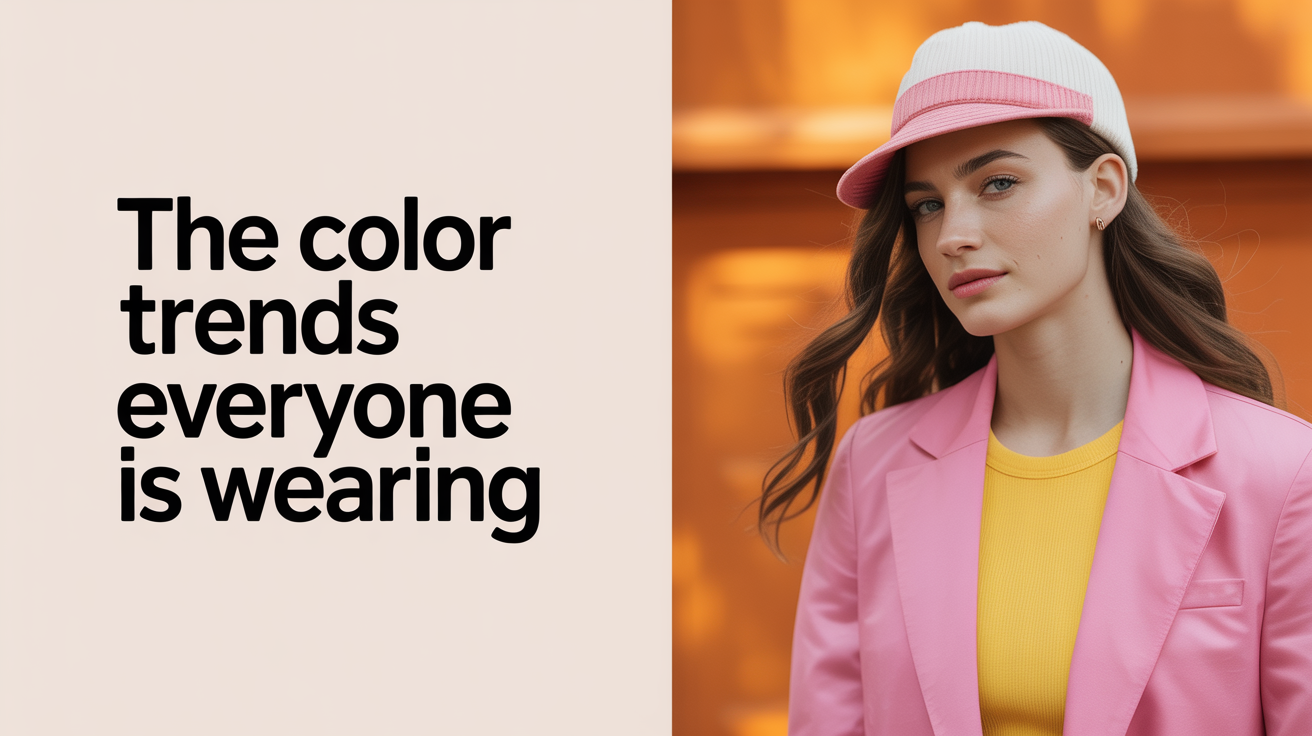
Color can do more work than most people give it credit for. The right shade turns a basic outfit into something deliberate; the wrong one just sits there. What the fashion world is gravitating toward right now is a clear shift away from the muted, almost apologetic neutrals of the past few years. The palette has warmed up considerably. Chocolate brown, deep burgundy, olive green, and a handful of rich earthy tones are showing up everywhere, from tailoring to knitwear to accessories. This guide covers which colors are actually trending, how they fit into a real wardrobe, and which ones are worth the investment versus which to try cheaply first.
The Biggest Color Trends in Fashion Right Now
The seasonal color trends this year are cohesive in a way they haven't been for a while. Most of what's showing up across runways and street style points in the same direction: warmth, depth, and a little richness without crossing into loud territory.
Chocolate Brown
Brown has been building for a couple of seasons, and it's firmly arrived. The version that's everywhere right now is not the muddy, forgettable brown of the early 2000s. It's deeper, almost cocoa-dark, and it reads as polished when worn head-to-toe or as an anchor color in a mixed outfit. A chocolate brown trench coat over jeans is a stronger look than the same trench in camel at this particular moment. Brown leather boots, brown bags, brown knitwear: all performing well. The reason it works so broadly is that it plays nicely with nearly every skin tone and pairs with colors most people already own, including cream, rust, forest green, and black.
Warm Burgundy and Wine
Burgundy is a perennial fall favorite, but the version trending in color trends fashion right now reads more saturated and less purple-leaning than past iterations. Think the inside of a bottle of Merlot rather than a dusty mauve. It's showing up in silk-finish blouses, wide-leg trousers, and blazers. One of the most wearable ways to use it: burgundy trousers or a midi skirt paired with a cream or off-white top, with brown boots to pull the warm tones together. It photographs well, too, which is why you're seeing it dominate certain feeds.
Olive and Forest Green
Green has been a slow-burn trend for several years, and the current moment belongs to its deeper iterations. Olive and forest green are both in rotation, but forest green (the darker, cooler of the two) is getting more runway time. It looks particularly strong in structured pieces: a forest green blazer, a long wool coat, a fitted turtleneck. Olive skews a little more casual and pairs naturally with tan, brown, or cream. Both shades work exceptionally well for people who find true greens too bold, because olive and forest green read more like a neutral than a color statement.
Mocha and Caramel Neutrals
Alongside brown, a range of lighter warm neutrals is having a moment. Mocha (a gray-tinged brown), caramel (a lighter amber brown), and café au lait (a milky, soft brown) are all showing up as alternatives to beige or greige. These shades work especially well in separates that can be mixed and matched across a wardrobe. A caramel knit top reads as quiet and effortless while still feeling current. This is the color direction that pairs well with the old money aesthetic, where tonal dressing and understated richness matter more than bold contrast.
Rust and Burnt Orange
This one is more of a statement, but it's appearing often enough to be worth mentioning. Rust and burnt orange have been in trend cycles before, but the current iteration tends toward the darker, more muted end of the spectrum rather than the bright pumpkin orange you might remember from a few years back. It works best as an accent rather than a full look: a rust scarf with a brown or olive coat, a burnt orange top under a dark blazer. People with warm undertones tend to find these shades particularly flattering.
How to Build an Outfit Around a Trending Color
Picking a color trend and actually wearing it are different things. A few approaches that tend to work better than others:
Start with one piece. If you're uncertain about burgundy or chocolate brown, begin with a bag, scarf, or pair of shoes before committing to a full garment. Accessories give you the color without the risk.
Go tonal, not matchy. Wearing chocolate brown trousers with a caramel top and rust accessories reads as intentional. Wearing the exact same shade head-to-toe can look flat unless the textures vary significantly.
Let your neutrals do the anchoring. Trending colors sit well against cream, off-white, and black. If you're already wearing those as a base, dropping in a trending color becomes much simpler.
Check the undertone. Olive and forest green, warm burgundy, and chocolate brown all have warm undertones. If your current wardrobe runs cool (lots of gray, navy, or stark white), these shades may require a small mental shift but usually still work once you try them.
For a more detailed breakdown of how current seasonal color trends fit into a complete fall wardrobe, the fall fashion trends worth knowing guide covers both color and silhouette together.
Seasonal Color Trends: What Changes and What Stays
Seasonal color trends are real, but their shelf life varies considerably. Some shades get called "trendy" and then stick around for five or more years because they're simply good colors (forest green, burgundy, navy). Others have a shorter window. The ones currently trending toward the warm, earthy end of the spectrum have the advantage of longevity: earth tones have shown up in every decade of fashion history and tend to cycle back reliably.
The "color of the year" designations from major trend-forecasting companies give a sense of what the industry is collectively focusing on, but they're worth treating as one data point rather than a directive. Not every person can pull off every color of the year, and not every trending shade will photograph the same way against your own skin tone or work with what you already own.
A more practical filter: look at the colors that are appearing consistently in multiple contexts. If a shade is showing up in outerwear, footwear, accessories, and knitwear simultaneously, it has more staying power than something appearing only in a few runway looks.
How to Wear Color Trends Without Overcommitting
Not everyone wants to rebuild their wardrobe around a seasonal palette. There are low-commitment ways to test a trending color before buying into it fully.
Thrift first. Vintage and resale shops often have a decent supply of the colors that are currently cycling back. Burgundy coats and brown leather boots are easy to find secondhand and let you wear the trend without full-price commitment.
Use makeup as a testing ground. A burgundy lip or a mocha-toned eyeshadow gives you a read on whether a warm, dark color actually suits your complexion before you invest in clothing.
Rent, if you're buying for an event. For special occasions where you want to wear a trending color but don't have a long-term use case for the piece, rental is worth considering.
The quiet luxury approach to color, which favors tonal dressing and restrained palettes, actually maps onto this season's trends well. Chocolate brown, caramel, and forest green are all very much at home in a pared-down, quality-focused wardrobe.
Frequently Asked Questions
What is the color of the year for 2026?
Color-of-the-year designations come from multiple trend-forecasting organizations, and they don't always agree. For 2026, warm earthy tones, deep botanical greens, and rich dark neutrals have all appeared in various designations. Rather than tracking a single official shade, follow which colors are appearing across multiple categories (outerwear, footwear, accessories) at once: that overlap is a more reliable signal.
How do I know which trending colors will suit me?
Skin undertone is the most useful guide. Warm undertones (golden, peachy, or olive-toned skin) tend to do well with the current crop of trending colors: chocolate brown, rust, caramel, forest green, and warm burgundy all have warm leanings. Cool undertones can still wear these shades but may find them more flattering in slightly cooler versions, for example a cool-leaning burgundy rather than a red-brown one.
Are color trends the same every season, or do they change?
They change, but slowly. A color that's trending in fall often carries through into the following spring in a lighter or more saturated version. The shift toward warm earth tones has been building for several seasons, so the current palette isn't a sudden switch. Buying into chocolate brown or forest green now is unlikely to feel dated in twelve months.
Is it worth buying clothes specifically because a color is trending?
Only if the piece is something you'd wear regardless of the color. Buying a style of garment you wouldn't normally reach for simply because it comes in a trending shade is a fast route to unworn clothes. The better approach is finding pieces you already want (a coat, a knit, a pair of trousers) in a trending color rather than letting color drive the purchase entirely.
Can I mix multiple trending colors in one outfit?
Yes, and it often looks better than pairing a trending color with white or black. Chocolate brown with forest green, burgundy with caramel, or rust with olive all work because they share warm undertones. The key is keeping the proportions clear: one color as the dominant, one as an accent or secondary.