Fashion Trends
Athleisure Done Right: Sporty Outfits That Still Look Polished
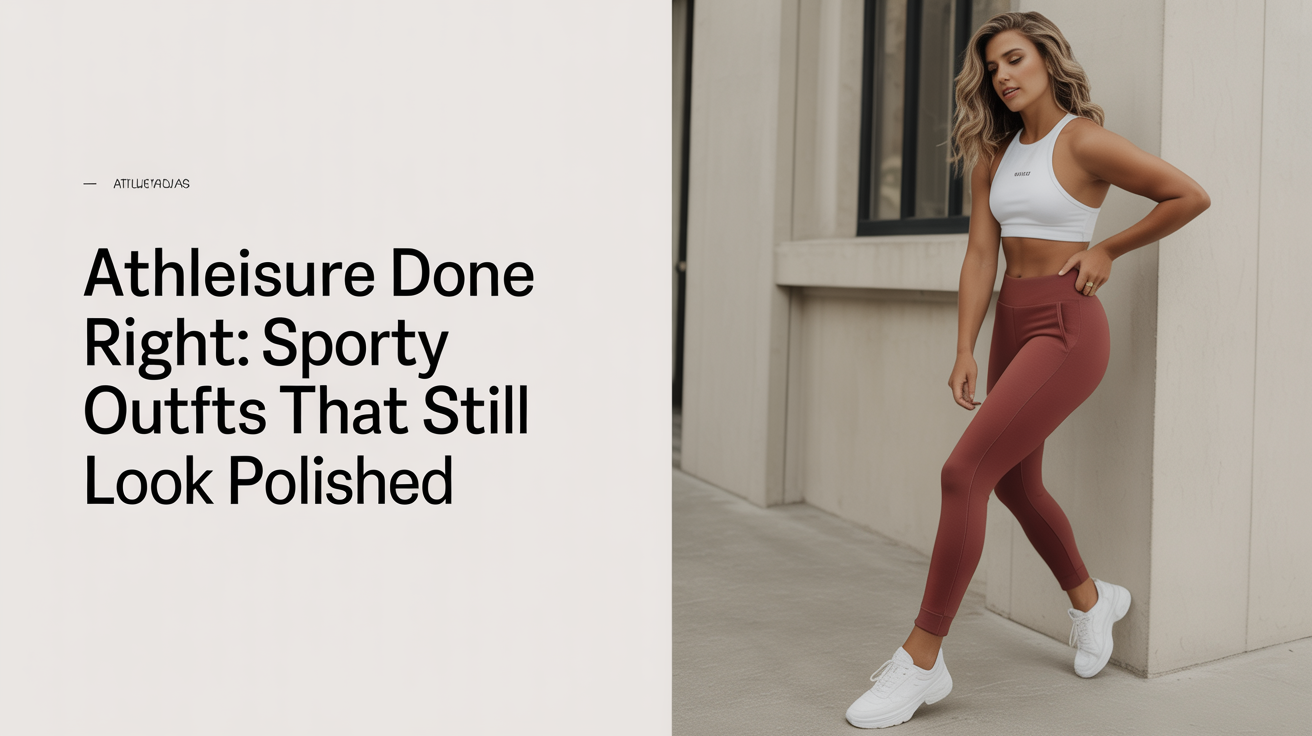
There's a version of athleisure that looks thoughtfully put-together, and there's a version that looks like you forgot to change after a workout. The gap between them isn't the price of the leggings. It's the decisions around them.
A few shifts in thinking, and sporty pieces can carry real outfits. Here's how to make that happen.
Why Most Athleisure Misses the Mark
The problem usually isn't the athletic pieces themselves. Leggings, joggers, hoodies, and oversized tees are genuinely good-looking basics. The issue is that people wear them the same way they'd wear them to the gym, with no adjustment for context.
Polished athleisure isn't about dressing up athletic wear so it disguises itself. It's about treating it the same way you'd treat any other casual piece: thinking about proportion, color cohesion, and what the rest of the outfit communicates.
A hoodie paired with matching sweatpants and beat-up sneakers reads as loungewear. That same hoodie tucked into wide-leg trousers, worn with leather loafers and a structured tote, is a completely different outfit. The hoodie didn't change. Everything around it did.
Getting Proportions Right
Proportion is the single most useful concept in athleisure styling. It's what separates a look that seems effortless from one that seems unfinished.
Fitted on Top, Relaxed on Bottom
A fitted long-sleeve or a snug half-zip worn with wide-leg joggers or track pants creates a clean, balanced silhouette. The eye reads contrast, and contrast reads intentional. This works especially well when the joggers have a tapered ankle or a subtle structure, rather than elastic bunching at the cuff.
Relaxed on Top, Slim on Bottom
The reverse also works. An oversized hoodie or a boxy graphic tee worn with fitted leggings or slim track pants keeps the silhouette from feeling formless. The key is that one half of the outfit should have some shape to it.
Matching Sets Are a Shortcut Worth Taking
Coordinated athletic sets (top and bottom in the same fabric and color) instantly look more deliberate than mixing random separates. A matching ribbed set or a coordinated zip-up with flared leggings in the same shade is a legitimate outfit without much effort. Add a belt bag and a clean sneaker and you're done.
The Anchor Piece Rule
One non-athletic anchor piece does more work than almost any other styling decision. It signals to the rest of the outfit that you considered it.
Structured Bags Over Totes
A canvas tote or a gym bag pulls everything back toward casual. A structured shoulder bag, a small leather crossbody, or even a baguette bag reads as accessory-forward. The contrast between an athletic outfit and a polished bag is exactly what makes the look feel styled rather than accidental.
How a Trench or Blazer Shifts Everything
Throwing a trench coat over leggings and a fitted tee might be the most reliable athleisure formula there is. The trench adds structure, length, and a certain air of having somewhere to be. A boxy blazer works similarly and is slightly more casual. Neither piece requires the outfit underneath to be fancy; they do the heavy lifting on their own.
Footwear That Finishes the Look
Sneakers are fine, but the type matters. A clean, low-profile sneaker (think a flat court shoe or a simple leather sneaker) reads differently than a bulky training shoe. If you want to move further from athleisure territory without abandoning it entirely, loafers, mules, or low boots paired with joggers or leggings create an interesting contrast. The slight formality of a leather shoe next to stretch fabric is part of what makes the outfit work.
Tonal Dressing Makes Sporty Pieces Look Intentional
One of the fastest ways to make athleisure look polished is to dress in a single color family, or at least keep the tones close. A head-to-toe neutral outfit (cream hoodie, stone joggers, off-white sneakers) looks considered in a way that a mismatched combination of athletic pieces doesn't.
This approach also solves the common problem of athletic wear feeling too casual. When every piece reads as part of a cohesive palette, the overall effect is cleaner and quieter. You're not drawing attention to the fact that you're wearing leggings. You're drawing attention to the fact that your outfit works.
If a monochrome look feels too flat, try a two-color approach with one neutral and one accent. A charcoal set with a camel trench, or a navy hoodie with cream trousers, gives the palette something to do without making the athletic pieces feel out of place. For ideas on which shades are currently doing the most work, the color trends everyone is wearing is a useful starting point.
Athleisure for Different Settings
The same general principles apply across contexts, but the specific mix of pieces shifts depending on where you're going.
Running Errands
This is the most relaxed setting and where athleisure is most at home. Leggings or fitted joggers, a longer sweatshirt or a structured zip-up, a crossbody bag, and a clean sneaker cover most errand scenarios. The goal here is just to avoid looking completely unconsidered. A matching set, or at least tonal pieces, gets you there without overthinking it.
Coffee or a Casual Lunch
Step it up slightly by swapping the gym sneaker for a leather trainer or a loafer, and the backpack for a shoulder bag. A collared layer underneath a hoodie (a slim turtleneck, a button-down, or even a collared athletic zip-up) adds a layer of polish that doesn't require much effort. This is where the trench coat earns its keep most visibly.
Travel Days
Athletic pieces are genuinely practical for travel, and a well-assembled travel outfit doesn't have to look like you gave up. Wide-leg trousers in a stretch fabric, a fitted ribbed top, and a structured carry-on tote is comfortable and cohesive. A loafer or a low platform sneaker finishes it off. You're comfortable for hours in a seat, and you don't look like you're wearing pajamas in the airport.
Building the Habit
Polished athleisure isn't a single formula. It's a way of approaching sporty pieces the same way you'd approach anything else in your wardrobe. Ask the same questions you'd ask about any outfit: Does the silhouette have a clear shape? Are the colors working together? Does the bag and footwear fit the occasion?
If you're still figuring out how athletic wear fits into the rest of what you wear, finding your personal style is worth reading before you invest in more pieces. Knowing what direction your wardrobe is moving makes it easier to know which sporty pieces actually belong in it.
The short version: one anchor piece, proportions that have some logic to them, and a palette that holds together. That's the difference between a polished sporty outfit and gym clothes worn outside.
Frequently Asked Questions
Can leggings actually look polished outside the gym?
Yes, with the right context around them. Fitted leggings work well when the top half has some structure (a longline blazer, a belted trench, a fitted half-zip) and the footwear is more refined than a training shoe. A leather loafer or a clean low-profile sneaker shifts the overall read considerably.
What shoes work best with athleisure?
Low-profile sneakers, leather trainers, loafers, and mules all work depending on how dressed-up you want the look to feel. Chunky training shoes or running shoes pull the outfit back toward gym territory. If you're keeping the shoes sporty, the rest of the outfit should lean more structured to balance it.
How do I make a hoodie look intentional?
A hoodie needs at least one polished element nearby to feel styled. A structured bag, a more formal trouser instead of sweatpants, or a clean sneaker instead of athletic footwear all help. Tucking the hoodie slightly into a high-waisted bottom also changes the silhouette in a way that reads as more deliberate.
Is there an easy formula for athleisure that always works?
A matching set (same fabric and color on top and bottom) paired with one non-athletic piece (a structured bag, a trench, leather footwear) is probably the most reliable place to start. It looks coordinated with minimal effort, and the single polished piece does the work of making it feel intentional.
How do I stop athletic wear from looking sloppy in a casual setting?
Color is the fastest fix. Pieces that are close in tone automatically read as more cohesive than a mix of unrelated colors. From there, check the proportions (at least one fitted element in the outfit) and swap out any bag or shoe that's purely functional for something with a bit more shape.