Hairstyles
Cute Short Hairstyles and Pixie Cuts
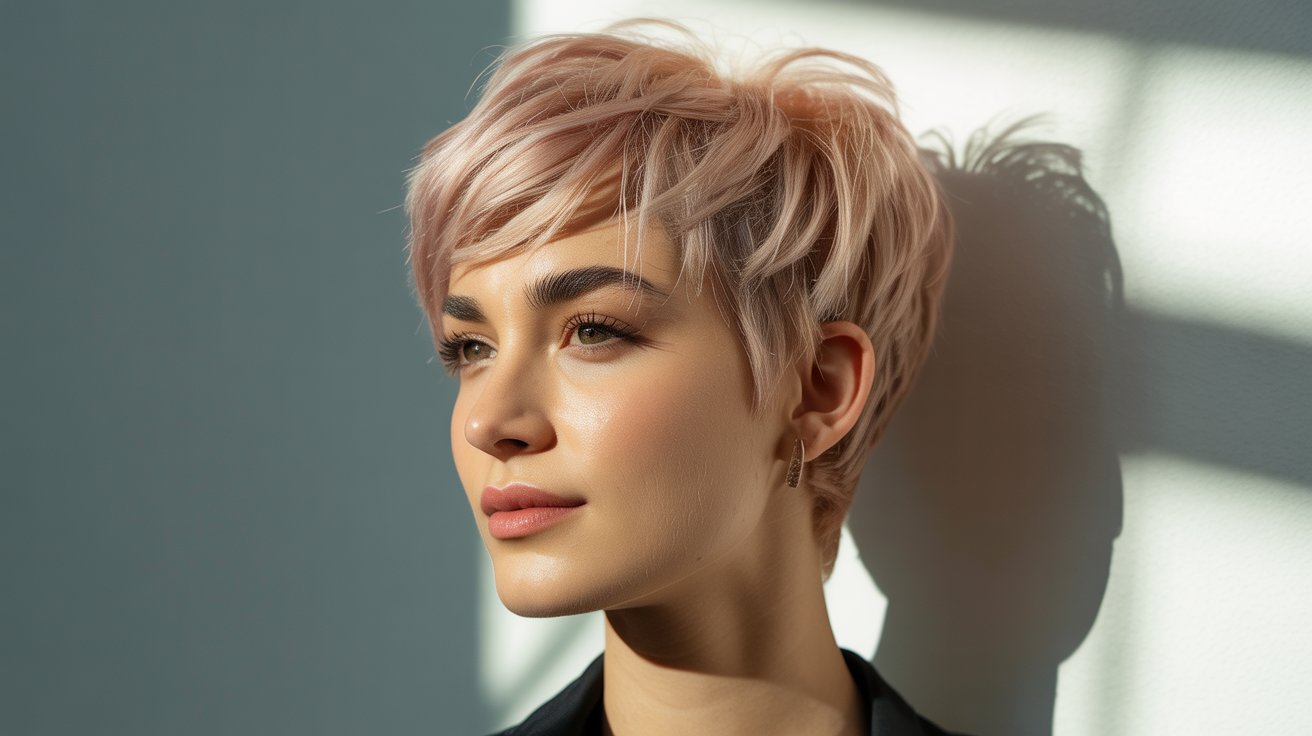
Short hairstyles cover a wide range, from chin-grazing bobs to close-cropped pixies, and the right one can genuinely change how you feel getting ready in the morning. This guide covers the cuts worth knowing, how to choose between them, and what it takes to style short hair at home without a salon blowout every week.
Pixie Cuts: What You're Actually Signing Up For
The pixie cut is shorter at the sides and back, with a bit more length left on top. That top section is where most of the styling flexibility lives. You can push it forward, sweep it to one side, or work in a small amount of product to get texture and separation.
There are a few variations worth distinguishing:
Classic Pixie
A classic pixie keeps the sides very close, often tapered, with one to two inches of length on top. It's the most low-maintenance option. You wash it, run a small amount of styling cream through the top, and it's done in under five minutes. The tradeoff is that it grows out in a less graceful way than some other short cuts, so plan for trims every four to six weeks to keep the shape looking intentional.
Textured or Shaggy Pixie
A shaggy pixie uses point-cutting and layering to create a choppy, lived-in finish. The ends have movement rather than a clean edge. This version works especially well for fine or medium hair because the layering creates the appearance of volume and thickness. It also grows out more naturally than a classic pixie, giving you a few extra weeks between salon visits.
Long Pixie
A long pixie sits between a true pixie and a very short bob. The sides are cut short, but the top and sometimes the front have enough length to tuck behind the ear or style in different directions. It's a reasonable starting point if you're nervous about going short, since there's more room to work with while you adjust to the change.
Bob Haircuts: More Variety Than You'd Think
The bob is one of the most versatile short haircut ideas out there. At its most basic, it's a cut that falls somewhere between the chin and the collarbone, but modern bobs come in enough variations that two people can both have a "bob" and end up looking completely different.
Blunt Bob
A blunt bob has a clean, single-length cut with no layers. It reads structured and polished. Straight or slightly wavy hair tends to work best here, since the blunt line sits flat and shows its shape. If your hair is very thick, a blunt bob can feel heavy at the bottom, so your stylist may add some internal thinning to help it sit better.
Textured Bob
A textured bob has layers cut throughout to add movement and reduce bulk. The ends aren't all the same length, which gives the style a more casual, effortless quality. This version is forgiving on almost every hair type and doesn't require as precise a blow-dry to look intentional.
Asymmetrical Bob
An asymmetrical bob is cut so that one side is longer than the other. The difference can be subtle (a centimeter or two) or dramatic (several inches). It adds visual interest without requiring special styling. Worth noting: asymmetrical cuts need very precise maintenance to keep the angle clean, so find a stylist who does this cut regularly rather than requesting it as an afterthought.
Choosing Between a Pixie and a Bob
The main practical difference is how much styling flexibility you want day to day. Bobs can be worn straight, wavy, tucked, or half-up. Pixies have fewer day-to-day options, but they're faster to style and don't require heat tools if you're comfortable with a natural finish.
Face shape plays a role too. Oval faces carry both cuts without much adjustment. Round faces often do better with cuts that have more length at the top or front, since added height creates a longer visual line. A long pixie or a bob with volume at the crown tends to work well here. For more detail on pairing cut to face shape, the most flattering haircuts for round faces breaks this down thoroughly.
Hair texture also matters more at short lengths. Fine hair tends to look best in blunt or textured bobs and in longer pixie cuts, where the weight and layering create the illusion of thickness. Coarser or curlier hair can handle a classic pixie well, since the natural texture adds body without extra help.
Styling Short Hair at Home
Short hairstyles don't take long to style, but the products and techniques you use have a bigger impact than they do with longer hair. There's less length to hide any unevenness, so the approach matters.
Products That Actually Help
For a pixie, a lightweight styling paste or pomade gives you control without stiffness. Use a pea-sized amount worked between your palms, then press it into the top and move sections around with your fingers. A matte finish tends to look more natural than a glossy one, unless you're intentionally going for a slicked-back effect.
For a bob, a heat protectant spray is worth having if you use a round brush or flat iron regularly. A small amount of hair oil applied to dry ends adds shine and smooths frizz without weighing the hair down. For wavy texture on a bob, a curl cream or sea salt spray worked through damp hair and diffused on low heat works well.
Styling Without Heat
Both cuts air-dry decently with the right approach. On a pixie, apply product to damp hair and use your fingers to shape the top section, then let it dry undisturbed. On a bob, a smoothing cream applied to wet hair and left to air-dry gives a softer finish than a blowout.
If your bob tends to go limp at the roots, clipping the root area while it dries adds a bit of lift. Short hair also takes well to accessories. A small clip, pin, or headband can shift the look entirely. During the grow-out phase (more on that below), a bobby pin pulling back an awkward section can buy you weeks before a trim becomes urgent.
Growing Out a Short Cut
Growing out a pixie into a bob takes time, and the middle stage can feel frustrating. The sides tend to grow faster than the top, which makes the shape look unbalanced. Keeping up with shaping trims even while the overall length is growing helps maintain a clean silhouette.
If you had a textured pixie, the grow-out tends to be smoother because the layered ends blend more easily as they get longer. A blunt-cut pixie can go through a harder in-between phase where nothing lies flat.
Once you have enough length to work with, adding curtain bangs is one way to soften the face framing while the rest of the hair catches up.
Frequently Asked Questions
How short is a pixie cut, exactly?
A pixie cut is typically two inches or less on the sides and back, with a bit more length on top. The exact proportions vary by style. A long pixie can feel close to a very short bob, while a classic pixie sits tight to the head.
Can you get a pixie cut with all hair types?
Yes, though the specific variation that works best depends on your texture. Fine hair does well with longer or textured pixies that add visual bulk. Thick or coarser hair can handle a classic close-cropped pixie without looking flat. Very curly hair often works well in a pixie because the curl pattern adds natural volume without any extra product.
How often does a pixie cut need to be trimmed?
Every four to six weeks is standard, though it depends on how defined you want the shape to stay. Some people stretch a longer or textured pixie to eight weeks. A very close classic pixie will start to look grown-out sooner and generally needs more frequent maintenance.
Is a bob haircut hard to style at home?
Not particularly. A blunt bob is the most demanding since the clean line becomes obvious if one side sits differently than the other. A textured bob is more forgiving. Both styles can air-dry reasonably well with the right product, so a round brush and blow-dryer every morning isn't required.
What's the difference between a bob and a lob?
A lob is a long bob, meaning the cut falls below the chin, usually closer to collarbone length. A true bob falls at or above the chin. Both can be blunt or textured. The lob is generally considered easier to style day-to-day since the extra length gives more options and a bit more margin for error when air-drying.