Hairstyles
Heatless Hairstyles for Overnight Curls
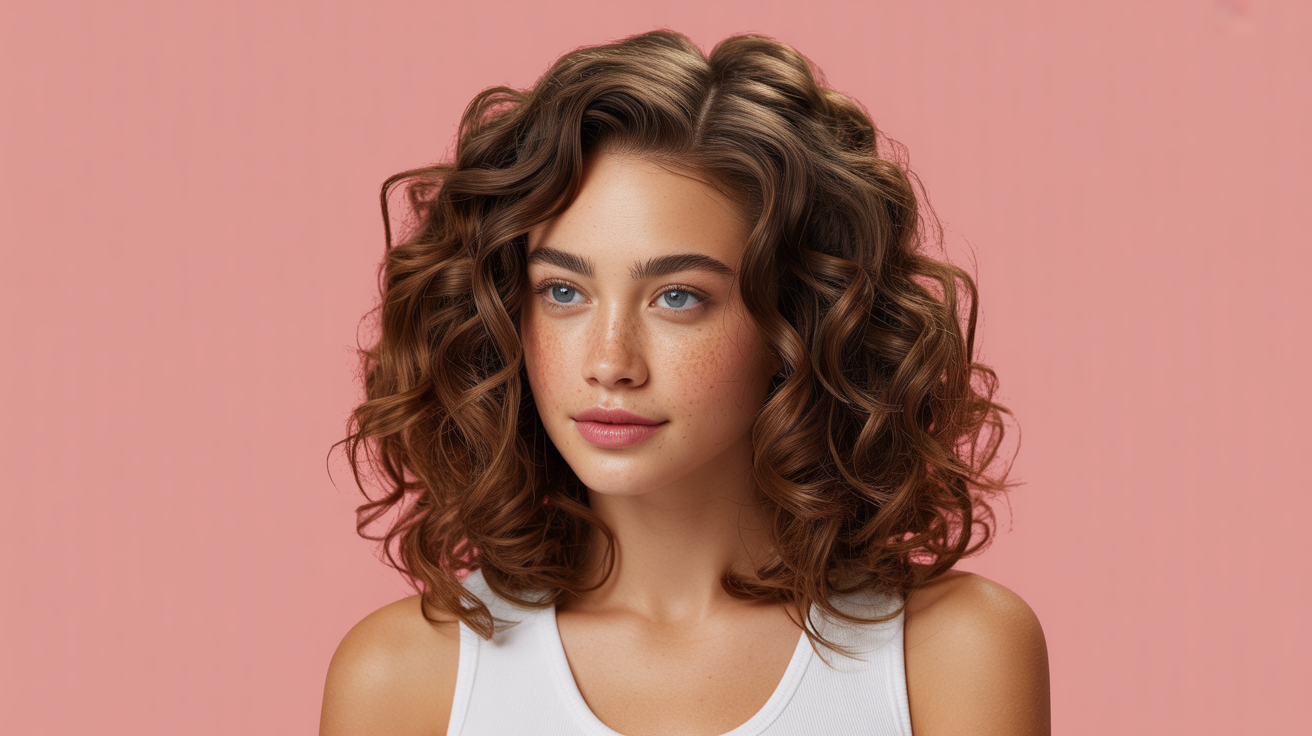
Heatless curls have been around forever, but the technique finally got its internet moment when people realized that sleeping with a robe belt wrapped around their head could replace a curling iron entirely. The appeal is real: no heat damage, no rushed morning styling, and curls that tend to last longer because they set slowly and fully.
The catch is that results vary a lot depending on your method, your hair type, and a few prep steps that most tutorials skip over. This guide covers what actually works and why, so you can stop guessing and wake up to curls that hold.
Why Heatless Curls Work (and When They Don't)
Curls form when your hair dries around a shape and the hydrogen bonds in each strand lock into that position. Heat styling forces those bonds to release and reset almost instantly. The heatless version does the same thing, just over several hours instead of a few seconds.
That slower process is actually an advantage. The curl sets more thoroughly through the entire strand rather than just the surface, which is why heatless waves often feel softer and hold longer than heat-styled ones.
The method fails when hair dries too quickly (very fine hair) or not at all (very thick hair that stays damp for hours and never fully dries by morning). Matching your method to your hair type is the single biggest factor in getting consistent results.
The Most Reliable Overnight Methods
Flexi Rods
Flexi rods are foam-covered bendable rods that you roll sections of hair around, then bend the ends together to secure. They come in different diameters, which directly controls how tight or loose your curl comes out. Smaller rods give tighter ringlets; larger ones give a looser, more relaxed wave.
Roll each section starting at the ends and working up toward the root. The direction you roll determines whether your curl spirals toward or away from your face. For a natural look, alternate directions rather than rolling everything the same way.
Foam Rollers
Foam rollers (the old-school kind with a plastic clip) work on the same principle as flexi rods but give a slightly more structured curl with a defined bend at the root. They're bulkier to sleep on, so they work better if you're doing just a partial set (the front sections, for example) rather than your whole head.
They're particularly good for medium to thick hair because the firmer barrel holds more hair per section without losing shape.
The Ribbon or Silk Cord Method
This is the one that went viral, and it earns its reputation. You wrap a long ribbon or a soft silicone cord around your head, then weave sections of hair over and under as you go, pulling each piece flat against the rod. The result is a looser, more uniform wave pattern rather than individual ringlets.
It's comfortable to sleep on because the ribbon lies flat against your head with no poking plastic. The waves it creates lean romantic rather than voluminous, so it's a better fit if you want something that reads as "effortless" rather than "curly."
Braids
Braids are the most accessible method because you need nothing but your own hands. Three-strand braids give a crimped, defined wave. Rope twists give a softer, more spiraled result. French braids or Dutch braids pulled from the roots give a different texture than braids started mid-shaft.
Two braids produce beachy waves. Six to eight braids produce tighter, more uniform curls. The tightness of your braid also matters: a loose braid gives a relaxed wave, a tight one gives something closer to a crimp.
For more detailed tutorials on different braid styles and how to execute them cleanly, easy braided hairstyles anyone can master walks through the technique step by step.
How to Prep Your Hair for Better Results
Start Damp, Not Soaking
Wet hair will not finish drying by morning, especially if it's thick or long. You'll wake up with damp, stretched-out curls that collapse quickly once they do dry. The right starting point is towel-dried hair that's damp to the touch but not dripping.
If you shower in the morning, let your hair air dry for an hour or two before you start setting it. If you shower at night, towel dry well and wait thirty minutes before reaching for your rollers.
Choose the Right Products
You want something that adds hold without leaving your hair stiff or crunchy, because stiff hair doesn't move the way curls should. A mousse applied before you set works well for fine to medium hair. A leave-in conditioner with light hold is a better choice for coarse or dry hair that needs moisture.
Avoid heavy creams or oils before setting. They coat the hair and slow the drying process, which means you'll still be damp by morning. If you want to add an oil for shine, do it after takedown rather than before.
Section Your Hair Evenly
Uneven sections produce uneven curls. It's not about perfection, but larger sections will give looser, wavier results while smaller sections will give tighter curls. Decide what you're going for and try to keep your sections roughly consistent throughout.
How to Take Down Your Curls Without Losing Them
This step gets rushed and that's usually where things go wrong. Taking curls down too quickly or handling them when they're still slightly warm from sleep will cause them to fall out fast.
Let your hair sit at room temperature for a few minutes after you get up before you start removing anything. Then unwind each section slowly rather than pulling rods or rollers straight out. Pulling disrupts the curl pattern from the root down.
Once everything is out, separate the curls with your fingers, not a brush or comb. Start from the ends and work upward. Your fingers will blend the curls together without fully stretching them out. If you want more volume, flip your head upside down and scrunch gently from the ends toward the roots.
A very light hold spray misted over the finished style, not sprayed directly into the curls, helps set everything in place without stiffness.
Tips by Hair Type
Fine hair: Use smaller sections and a mousse with medium hold. Fine hair sets quickly but also falls quickly, so more product and a lighter touch during takedown matter a lot.
Thick or coarse hair: Give yourself more time or use a bonnet with your rollers still in to generate a small amount of warmth overnight, which helps the curl set fully. Sectioning your hair before bed rather than improvising in the dark also helps.
Wavy hair: Your natural wave pattern means heatless methods often give very good results because you're working with your texture rather than against it. You may find you need less product than someone with naturally straight hair.
Straight hair: Straight hair can absolutely hold heatless curls, but it often needs more product and a longer setting time. Try setting your hair an hour or two earlier in the evening rather than right before bed to give the curls extra time to lock in.
If you're thinking about a new haircut that would complement your natural or styled curl pattern, the most flattering haircuts for round faces covers how different cut shapes interact with texture and volume.
Frequently Asked Questions
Do heatless curls work on straight hair?
Yes, though they take a bit more effort. Straight hair benefits from a stronger hold product applied before setting, and it needs a full overnight dry time. Starting with slightly damp hair rather than dry hair also helps the curl bond properly.
How long do I need to leave heatless curls in?
At minimum, six to eight hours. Overnight is ideal because it gives the hair time to dry completely through the curl, which is what makes it hold. If you take them out while the hair is still even slightly damp, the curl will loosen within the hour.
Can I do heatless curls on dry hair?
You can, but the results are less defined and tend not to last as long. Dry hair doesn't reshape itself as easily as damp hair. If you're starting with dry hair, a very light mist of water over each section before rolling will help.
What's the difference between heatless curls and heatless waves?
It's mainly about the size of the curl and the method you use. Tighter methods (small flexi rods, multiple braids) give curls with a more defined spiral. Larger methods (the ribbon technique, two loose braids, large foam rollers) give a looser wave pattern. Both fall under no heat curls; the label just describes the result.
How do I make heatless curls last all day?
Dry your hair fully before takedown, use a hold product during the set, and avoid touching your hair too much after styling. Humidity is the biggest enemy of curl longevity, so a light anti-humidity spray over the finished look helps on damp or humid days.