How-Tos
How to Build a Capsule Wardrobe That Works
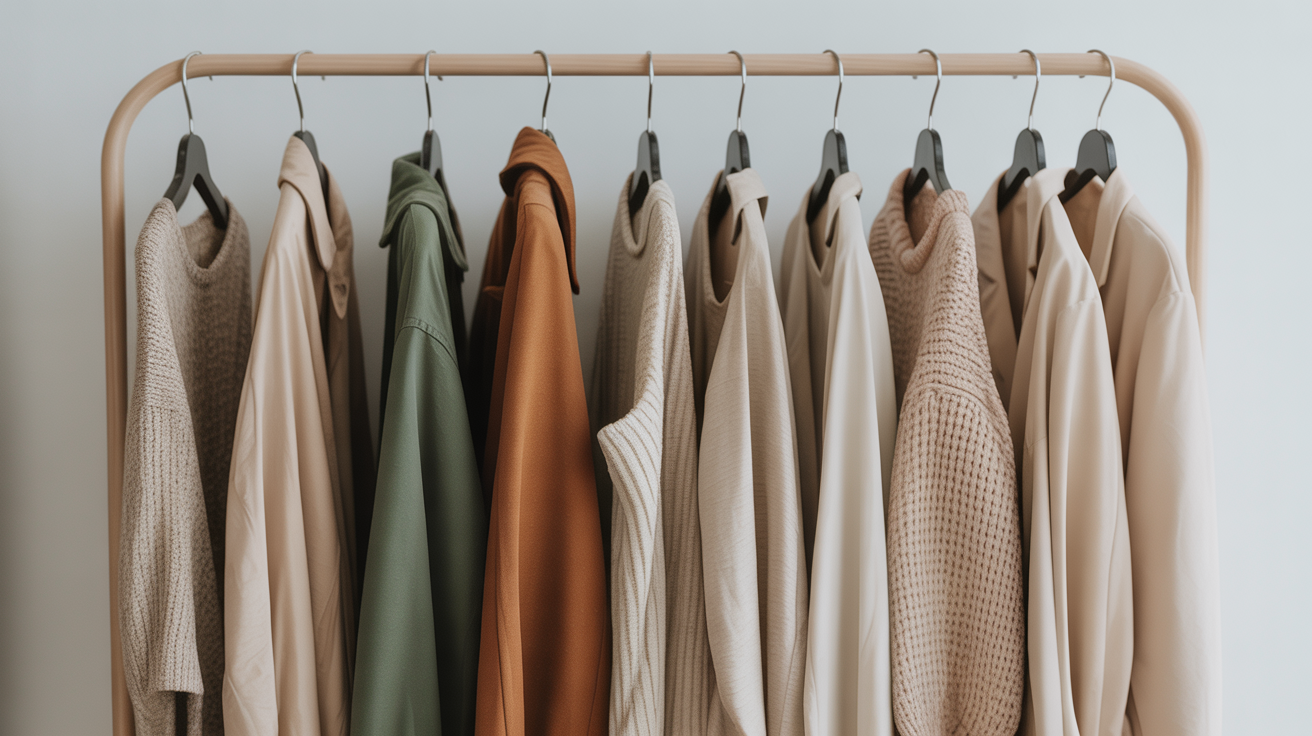
A capsule wardrobe is a small, deliberate collection of clothes that work together so well you can get dressed without thinking too hard. The idea, popularized by Donna Karan in the 1980s, was originally seven pieces for a working woman. The modern version is more like 30 to 37 items (not counting underwear and workout gear), chosen so that almost everything pairs with everything else. If you've ever opened a full closet and felt like you had nothing to wear, a capsule is the fix — but only if you build it around your actual life, not an idealized one.
What a capsule wardrobe actually means
There's no official piece count. Some people land at 25 items, some at 40. What makes a wardrobe a "capsule" is intentionality: you know what every piece is for, and nothing is there just because it was on sale.
A minimalist wardrobe is a related idea but not identical. Minimalism can mean owning very little; a capsule wardrobe is specifically about versatility and outfit math. You want multiplication, not subtraction. Fifteen pieces that generate 60 outfits beats 60 pieces that each work with almost nothing else.
One clarification before you buy a single thing: a capsule is only as good as how well it fits your life. A woman who works from home and spends weekends hiking needs a completely different 30 pieces than someone who works in finance and has a heavy social calendar. Figure out your actual weekly routine before you start.
How to audit what you already own
Pull everything out of your closet. Yes, everything. Pile it on the bed.
Go through each item and ask two questions: Does it fit right now? And did I wear it in the last 12 months? If the answer to either is no, it goes in a separate pile. Don't agonize. If you haven't reached for it in a year, you're not going to start.
What you're left with is your working wardrobe. Count the pieces. Most people are surprised: they expected 80 items and find 110. Now look for patterns. If you own seven black tops but only two pairs of pants, you have an obvious gap. If you have six dresses but wear them rarely, that's useful data about how you actually dress versus how you imagine you dress.
This audit takes an afternoon and it saves you from buying duplicates of things you already have.
Building your capsule: the core pieces
These are the categories, not the exact items. Adjust based on your climate and lifestyle.
Bottoms (6-8 pieces)
Two pairs of well-fitting jeans cover a lot of ground: one darker wash for going out, one more casual. Add one pair of tailored trousers, a relaxed linen or cotton pant for warmer months, and one skirt or shorts depending on what you actually wear. That's already five bottoms, and combined with tops, the outfit count climbs fast.
Tops (8-10 pieces)
Aim for a mix of weights and formality. A few fitted crewneck tees, two or three button-down shirts, one relaxed blouse. If you wear blazers frequently, treat them as tops for outfit purposes; they do the visual work a top might otherwise do.
Outerwear (3-4 pieces)
One longer coat that works for slightly dressed-up occasions, one casual jacket (a denim jacket, a bomber, or a utility jacket, whatever you prefer), and a rain layer. If you live somewhere with real winters, a heavy-duty coat replaces one of those.
Dresses (2-3 pieces)
Optional, but useful. One that can be dressed up, one that reads as casual. If you're more of a pants person, skip these and redirect those slots.
Shoes (4-5 pairs)
One white or neutral sneaker, one flat or low-heeled boot, one sandal or summer shoe, one slightly dressier option. Four pairs handles most lives. Five if you need a specific work shoe.
Sample 30-piece capsule checklist
| Category | Item | Notes |
|---|---|---|
| Bottoms | Dark wash slim jeans | Versatile from day to evening |
| Bottoms | Straight-leg medium wash jeans | Weekend staple |
| Bottoms | Tailored black trousers | Pairs with everything |
| Bottoms | Wide-leg ivory or tan trousers | Add texture and polish |
| Bottoms | Black midi skirt | Knit or woven, both work |
| Bottoms | Linen shorts or casual pants | Climate-dependent |
| Tops | White fitted crewneck tee | Own a few; they wear out |
| Tops | Grey or oatmeal crewneck tee | Second neutral |
| Tops | Stripe or subtle-print tee | One pattern keeps it interesting |
| Tops | White button-down shirt | Tucked, untucked, or layered; endlessly useful |
| Tops | Blue chambray shirt | More casual than the white |
| Tops | Silky blouse in a neutral or soft color | Instant polish |
| Tops | Fine-knit crewneck sweater | Mid-layer and standalone |
| Tops | Chunky knit or relaxed sweater | Heavier, fall/winter |
| Tops | Fitted tank or camisole | Layering piece |
| Outerwear | Classic trench coat | Camel or navy reads most cleanly |
| Outerwear | Denim jacket | Casual layer, pairs with almost every bottom |
| Outerwear | Blazer in a neutral | Black, camel, oatmeal, or grey |
| Outerwear | Light rain jacket | Functional; doesn't need to be precious |
| Dresses | Wrap or shirt dress in a solid | Work and weekend depending on shoes |
| Dresses | Casual knit mini or midi | For low-key days |
| Shoes | White leather sneaker | Flat-soled, clean profile |
| Shoes | Ankle or knee boot, neutral color | Black or tan |
| Shoes | Strappy flat sandal | Easy summer reach |
| Shoes | Loafer or ballet flat | Polished alternative to sneakers |
| Shoes | Block heel or simple pump | When you need a little height |
| Accessories | Leather or leather-look belt | Pulls together loose tops |
| Accessories | Minimal gold or silver jewelry set | Earrings, one necklace |
| Accessories | Structured tote or shoulder bag | Neutral, goes everywhere |
| Accessories | Casual crossbody or canvas tote | Second bag for lighter days |
Choosing a color palette
This is where a lot of capsule wardrobes fall apart. Someone buys a camel coat, three navy pieces, and two burgundy sweaters, then finds they don't layer well and the overall effect is muddy.
The cleaner approach: pick two neutrals as your base and one or two accent colors.
Common neutral pairs that hold together well: black and white, navy and grey, camel and cream, olive and tan. Your accent colors show up in one or two tops, a scarf, or a dress, not in every category.
If you're uncertain which colors actually work with your complexion, it's worth spending time on picking colors for your skin tone before you buy anything. A camel coat that looks rich on one person can look washed-out on another — not because the coat is wrong but because the undertone clashes.
Test your palette before committing. Lay potential pieces together on a flat surface. If you can't immediately imagine three outfits from any random pairing, the palette needs adjustment.
How to build it out over time
You don't need to buy 30 pieces at once. Doing it gradually is actually better. You wear what you have, learn what's missing, and avoid buying things based on how they look in a store rather than how they fit into your actual rotation.
A reasonable sequence:
- Start with your most-worn category. If you live in jeans, buy the best jeans you can afford and fill in from there.
- Add the piece you reach for most often and don't have. For most people this is either a blazer or a good boot.
- Fill gaps in your neutral tops, since these get worn hardest and need to be replaced most often.
- Add outerwear next, since it anchors an entire outfit from the outside.
- Dress/special-occasion pieces last, because you'll have a better sense by then of what your wardrobe is missing.
Before buying anything, check whether it works with at least three things you already own. Not hypothetically. Physically lay them together. If it only pairs with one item, it doesn't belong in a capsule.
This is also the moment to think about how to find your personal style if you're not sure which direction to take the capsule. A capsule should reflect how you dress, not the most generic version of "capsule wardrobe" you saw on Pinterest.
Mistakes that make a capsule wardrobe not work
Buying for the wrong life. The most common one. Twelve silk blouses is not a capsule wardrobe if you work from home three days a week and spend the other two in casual meetings. Buy for the life you live Tuesday through Thursday, not the aspirational version.
Ignoring fit. A capsule only works if everything actually fits. A beautiful trouser that needs altering will sit in your closet until you address it. Build alterations into your budget. For pants especially, a $20 hem is often the difference between a piece you wear constantly and one you don't.
Going too fast. Buying a complete 30-piece capsule in one weekend usually means you end up with five things that don't work the way you expected. Shopping deliberately over a few months lets you fill actual gaps rather than imagined ones.
Ignoring your body. A straight-leg jean that looks good on one frame can look completely different on another. There's no shame in this — it's just geometry. If you're not sure which silhouettes work best for your proportions, how to dress for your body type is worth reading before you stock up on bottoms.
Treating it as finished. A capsule wardrobe is not a one-time project. You'll rotate pieces in and out seasonally, replace things that wear out, and adjust as your life changes. The goal is an ongoing edit, not a locked list.
Frequently Asked Questions
How many pieces should a capsule wardrobe have?
Most people land between 25 and 40 pieces, not counting underwear, athletic wear, or sleepwear. The number matters less than whether each item works with the others. If you're starting from scratch, aim for 30 and see how it feels over a few months.
Is a capsule wardrobe the same as a minimalist wardrobe?
Related but different. A minimalist wardrobe prioritizes owning fewer things overall. A capsule wardrobe prioritizes versatility, so each piece should work with many others. You can have a capsule wardrobe of 35 pieces or a minimalist wardrobe of 12; they're not the same goal.
How do I know which pieces are "essential" for me?
Track what you actually wear for two or three weeks. Take a photo of each outfit or just keep a running note on your phone. The pieces that appear most often are your real essentials. The pieces that never appear are candidates for removal.
Can a capsule wardrobe include color?
Yes. A capsule doesn't have to be all neutrals, though neutrals do make mixing easier. If you love color, build your neutrals first and then bring color in through one or two accent categories. A coral blouse or a rust-colored trouser can anchor beautifully if the rest of the wardrobe is in quieter tones.
How often should I update my capsule wardrobe?
A light seasonal review (swapping heavy knits for lighter fabrics, pulling out or storing weather-specific pieces) works for most people. A deeper audit once a year is usually enough to catch things that have worn out, changed in fit, or stopped working with the rest of the wardrobe.