How-Tos
How to Care for Delicate Fabrics
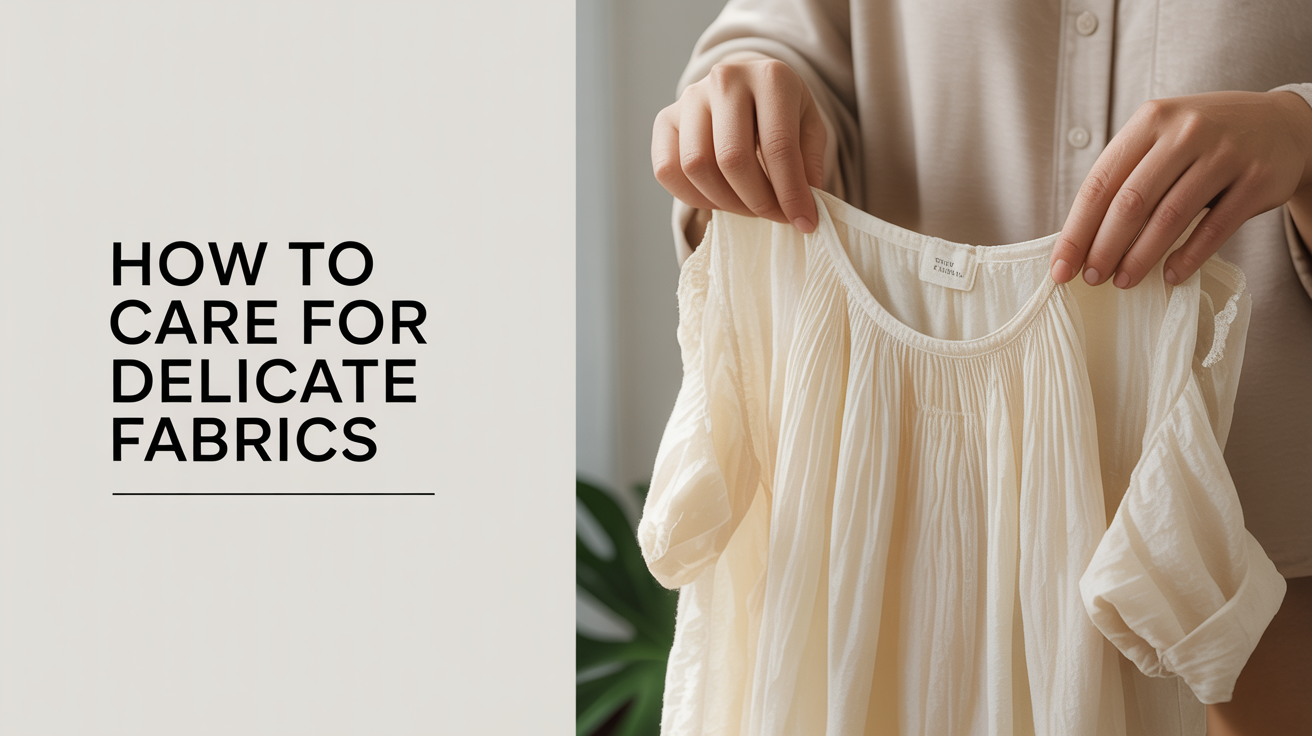
Knowing how to wash delicates correctly is one of those small skills that saves you a lot of money over time. A silk blouse ruined in a hot wash, a cashmere sweater shrunk to doll-size, a lace camisole pulled apart by a spin cycle, these are easy losses to prevent once you know the basic rules. This guide covers what you actually need to know, fabric by fabric, step by step.
How to Read a Care Label (and What the Symbols Mean)
Before you wash anything, check the label. Most clothes sold in the US, Canada, and the EU use standardized symbols, and the most useful ones to know are:
- Tub with water: the garment can be machine washed. A number inside the tub is the maximum temperature in Celsius.
- Tub with a hand: hand wash only.
- Circle: dry clean. An X through it means do not dry clean.
- Square with a circle inside: tumble dry. Dots inside indicate heat level (one dot = low, two = medium, three = high).
- Triangle: bleach instructions. An X through it means no bleach.
For delicates, you will almost always see the hand-wash symbol, a low-heat or no-heat drying instruction, and sometimes a dry-clean symbol. When the label says "dry clean only," that is a genuine warning, not just a suggestion, especially for structured garments like blazers with interfacing or beaded pieces where water can dissolve the adhesives holding them together.
If a label is missing or worn away, treat the fabric as if it needs the most gentle care option available.
Hand Washing Clothes: A Step-by-Step Method
Hand washing is the safest method for most delicates, and it takes about ten minutes once you have a system. Rushing is where most people go wrong.
Fill the Basin with Cool or Lukewarm Water
Hot water is the main villain in fabric damage. It causes protein fibers (silk, wool, cashmere, angora) to shrink and lose shape. Cool water, anywhere from room temperature to about 30°C (86°F), is the right range for nearly every delicate fabric. Use a clean sink or a plastic basin, not a bucket that has been used for cleaning products.
Choose the Right Detergent
Regular laundry detergent is too harsh for delicate fabrics. You want a detergent labeled for delicates or wool, or a gentle soap designed for fine fabrics. These are lower in enzymes and pH than standard formulas, which matters because silk and wool are protein fibers that can break down under alkaline conditions.
Use less than you think you need. A teaspoon or two is enough for a single garment in a standard sink. More soap does not mean cleaner clothes; it means harder rinsing and residue buildup.
Submerge and Gently Agitate
Place the garment in the water and gently press it down to saturate it. Swirl it slowly with your hands for about a minute, or squeeze it very gently if it is heavily soiled. No scrubbing, no wringing, no bunching up and twisting. The goal is to move water through the fabric, not to stress the fibers.
For stains, apply a tiny amount of detergent directly to the spot and let it sit for a few minutes before putting the garment in the water.
Rinse Thoroughly
Drain the soapy water and refill the basin with clean, cool water at the same temperature as the wash water. A sudden temperature change can cause wool and silk to felt or warp. Gently press the garment through the rinse water. You may need two or three rinses to remove all the soap.
Remove Water Without Wringing
Lift the garment out of the water supporting its full weight (especially important for knits, which can stretch under their own wet weight). Lay it flat on a clean dry towel, roll the towel up with the garment inside, and press firmly to absorb moisture. Do not twist. Unroll, then lay the garment flat to dry.
Washing Delicates in the Machine
Some "delicate" fabrics can go in the washing machine if you take a few precautions. Polyester lace, modal, and cotton lawn often handle a machine cycle well. Silk and cashmere are best hand washed, but many modern washing machines have a handwash or silk cycle that mimics gentle agitation.
Use a Mesh Laundry Bag
A mesh bag (also called a lingerie bag) protects garments from friction and prevents straps and clasps from catching on other items. Put each delicate piece in its own bag, or at least group small items together in one bag. This is especially useful for bras, tights, and anything with embellishments.
Select the Right Cycle and Temperature
Use the delicate or gentle cycle, which reduces agitation speed. Set the water temperature to cold. Skip the spin cycle, or use the lowest spin speed available, particularly for knits and anything with structure. High-speed spinning can distort the shape of a garment and stress seams.
Skip the Fabric Softener
Fabric softener coats fibers, which is fine for towels but problematic for silk (it leaves a residue that dulls the sheen) and wool (it can interfere with the natural lanolin). A small splash of white vinegar in the rinse water works as a mild conditioner for wool without those side effects.
Drying Delicate Fabrics Without Damage
Getting the wash right means nothing if you ruin the garment in the dryer. Most delicate fabrics should never go in the dryer at all.
Lay Flat to Dry
Lay the garment on a clean dry surface, reshape it while damp (gently pulling it back to its original dimensions), and leave it to air dry away from direct sunlight and heat sources. Sunlight fades color, especially in silk and linen. Heat from a radiator can cause wool to felt and cotton to shrink even after washing.
For sweaters and knitwear, a dry towel on a flat surface is best. Hanging a wet knit stretches it out along the length and distorts the shape permanently.
When Line Drying Is Fine
Woven fabrics (linen, cotton, viscose) can be hung to dry, but use a padded hanger or fold the garment over a drying rack rather than using a clothespin that can leave a mark. Make sure the garment is well-supported at the shoulders or waist rather than pinched at a corner.
Caring for Specific Fabrics
Silk
Wash in cool water with a silk-safe or pH-neutral detergent. Never wring. Press between towels to remove moisture. Iron on a low heat setting while slightly damp, on the reverse side. Avoid perfume and deodorant contact, which can permanently stain silk over time.
Wool and Cashmere
Wash no more than once every few wears. Wool fibers are naturally self-cleaning to a degree, and over-washing breaks them down. Use a wool-specific detergent. Reshape while damp and lay flat to dry. Store folded, never on a hanger (which causes shoulder bumps). Cedar blocks deter moths without chemicals.
Lace
Turn lace garments inside out before washing. Use a mesh bag if machine washing. Hand washing in cool water is safer for anything with metallic thread or antique lace, which can be brittle. Air dry flat rather than hanging, since the open weave can stretch under its own weight.
Viscose and Rayon
These fabrics shrink easily and can lose their shape when wet. Cold hand wash only, or use the most gentle machine cycle available. Lay flat to dry. Iron on a low setting when slightly damp.
Building a wardrobe full of pieces you actually love means knowing how to keep them in good shape. If you are thinking about which fabrics are worth investing in, how to build a capsule wardrobe that works is a useful starting point. Once your wardrobe is set, how to find your personal style covers how to make deliberate choices about what you bring in.
Frequently Asked Questions
Can I use regular shampoo to hand wash silk or wool?
In a pinch, a gentle shampoo (one formulated for color-treated or fine hair) can substitute for a delicate fabric wash. Both are designed to clean protein fibers without stripping them. Avoid anything with heavy conditioning agents or clarifying formulas, which can leave residue. Baby shampoo works well for a quick wash.
How often should I wash delicate garments?
Less often than you probably think. Silk and wool can be worn two to three times between washes if you air them out properly after wearing. Spot-clean small marks rather than washing the whole garment every time. Frequent washing is the main cause of wear and fiber breakdown in delicates.
What do I do if a cashmere sweater shrinks in the wash?
Wet the sweater again in lukewarm water and very gently stretch it back toward its original dimensions while it is wet. Lay it flat on a towel and pin it to shape if you have blocking pins, or just coax it into shape with your hands. Some shrinkage is reversible if you catch it quickly; severe felting is not.
Is dry cleaning always necessary when the label says so?
For structured garments (blazers, tailored coats, beaded dresses), yes. The label usually says dry-clean only because the construction, not just the fabric, requires it. For plain silk or viscose garments without structure, a careful hand wash often works fine, though you do take on the risk. When in doubt, follow the label.
Can I iron delicate fabrics?
Yes, but use a low heat setting appropriate to the fabric and always iron on the reverse side. A pressing cloth (a piece of clean cotton muslin placed between the iron and the garment) protects silk and wool from shine marks. Never iron lace directly. Steam is often better than dry heat for wrinkles in delicate fabrics.