How-Tos
How to Remove Common Clothing Stains
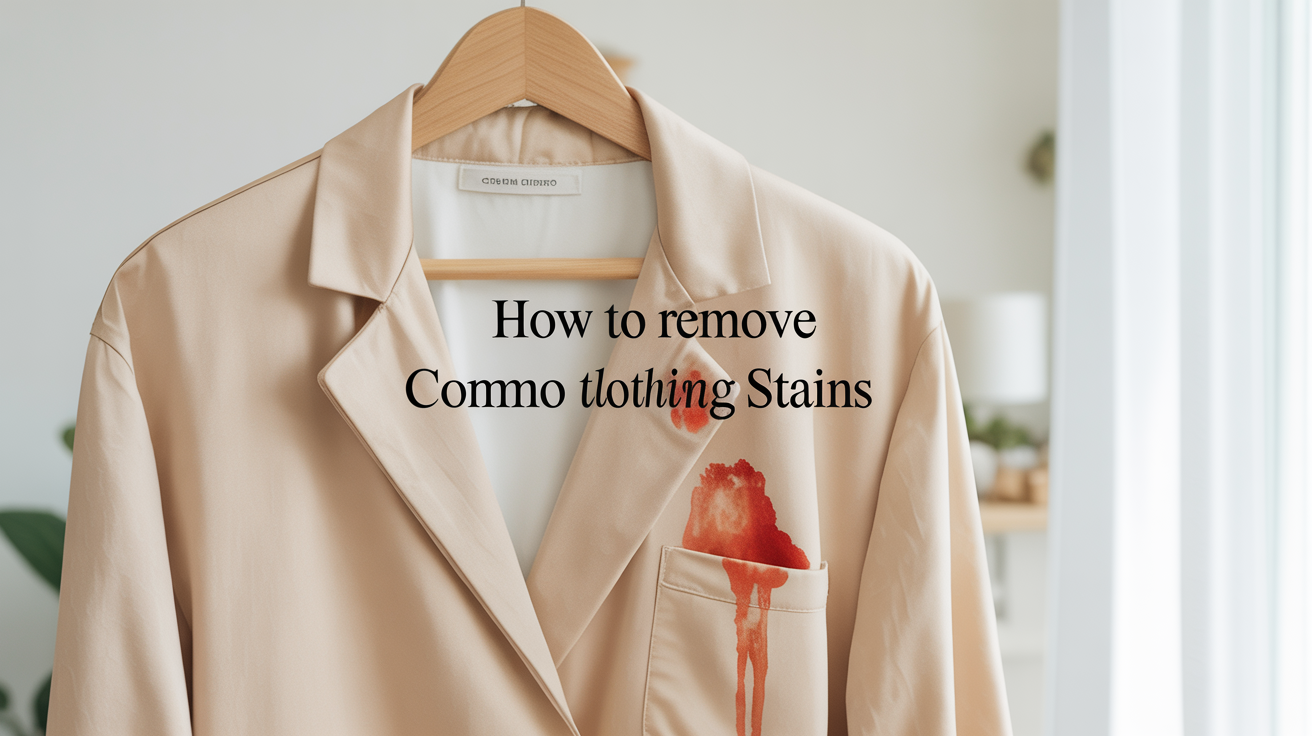
Stains are not a wardrobe death sentence. Most of them, including red wine, grease, blood, and lipstick, respond well to the right treatment applied at the right time. The two things that ruin more clothes than the stain itself are rubbing too hard and waiting too long. This guide walks through how to remove clothing stains by type, with specific steps for each one.
Act Fast: What to Do the Moment a Stain Happens
Speed matters more than having the perfect product on hand. Within the first few minutes, a stain is still wet and sitting on top of the fabric fibers. Once it dries, it binds more tightly to the threads and becomes significantly harder to lift.
Blot, don't rub. Use a clean cloth or paper towel and press gently to absorb as much of the stain as possible. Rubbing spreads the stain outward and pushes it deeper into the fabric. Work from the outer edge inward.
Turn the garment inside out before applying any liquid treatment. Running water or a stain remover through the back of the fabric pushes the stain back out the way it came in, rather than forcing it further through the weave.
Check the care label before anything touches the garment. Dry-clean-only fabrics, silk, and wool need different handling than cotton or polyester. A treatment that works fine on a cotton blouse can permanently damage a silk blouse.
How to Get Stains Out of Clothes: Food and Drink
Food and drink stains account for the majority of laundry problems. Here are the most common ones and what actually works on each.
Red Wine
Blot up as much liquid as possible first. Then pour a small amount of cold sparkling water or plain cold water over the stain to dilute it. Press a clean cloth firmly against the fabric. Follow with a mixture of one tablespoon of dish soap and one tablespoon of white vinegar in two cups of cold water. Apply the solution, blot, and repeat until the stain fades. Rinse with cold water, then launder as usual.
Never use hot water on wine. Heat sets the stain permanently.
Coffee and Tea
These tannin-based stains respond well to cold water and dish soap. Rinse the back of the stain with cold water, apply a small drop of dish soap, and work it gently into the fabric with your fingers. Let it sit for five minutes, then rinse and check. For dried coffee stains, soak the garment in cold water for 30 minutes before treating. White vinegar can also help loosen the tannins.
Grease and Oil
Oil-based stains need something that can cut through fat. Dish soap (designed to cut grease) is your best first option. Apply it directly to the dry stain, not to wet fabric. Let it sit for at least ten minutes so it can penetrate. Then add a small amount of water, work into a lather, and rinse thoroughly with warm water. For cooking oil, olive oil, or salad dressing, this method works on most cotton and polyester fabrics.
Baking soda or talcum powder can help with fresh grease stains. Sprinkle it on, let it absorb for 15 to 30 minutes, then brush away before applying dish soap. This is especially useful on dry-clean-only pieces, where you cannot run water through the fabric.
Sauce and Tomato-Based Stains
Scrape off any solid bits first with a dull edge. Rinse from behind with cold water. Apply dish soap or a laundry pre-treatment, work it in gently, and let it sit for five to ten minutes before laundering. Tomato stains that have dried often need a longer soak or an enzyme-based laundry booster.
How to Treat Body-Based Stains
Sweat and Deodorant
Sweat stains are a combination of body oils and minerals from perspiration. White vinegar or a paste of baking soda and water works well as a pre-treatment. For yellow underarm stains on white shirts, apply white vinegar, let it soak for 30 minutes, then launder in warm water. Enzyme-based laundry detergents are particularly effective because they break down the proteins in sweat.
The white chalky marks left by deodorant are a different issue. They can often be removed by rubbing the fabric against itself or using a damp cloth with a small amount of dish soap.
Blood
Cold water only. Always. Hot water cooks the proteins in blood and makes the stain permanent. Rinse immediately with cold water from the back of the fabric. For fresh blood, this alone can clear most of it. If the stain persists, make a paste of cold water and salt (or cold water and baking soda), apply to the stain, let it sit for ten minutes, then rinse. Hydrogen peroxide works on white cotton, but it can bleach colored fabrics, so test an inconspicuous area first.
Ink, Makeup, and Other Tricky Stains
Lipstick and Foundation
Makeup stains on clothing require a slightly different approach because most makeup products contain both oils and pigments. Scrape off any excess product first. Then apply a small amount of dish soap or micellar water to the stain. Work it in gently with your finger or a soft toothbrush. Let it sit for a few minutes, then rinse with cold water and repeat if needed. For full-coverage foundation, which tends to be thicker and more pigmented, a makeup remover wipe pressed directly onto the stain before washing can help.
Hairspray used to be a popular recommendation for ink and lipstick, but most modern hairsprays are water-based and do not contain enough alcohol to work effectively. Rubbing alcohol (isopropyl alcohol at 70% or higher) is more reliable for ink.
Ink
Press a clean cloth underneath the stained area so the ink doesn't spread to other parts of the garment. Apply rubbing alcohol to another cloth and dab (don't rub) at the stain, working from the outside in. The ink should transfer from the fabric to your cloth. Replace the cloth frequently so you aren't re-depositing ink. After treating, rinse with cold water and launder.
Ballpoint ink responds better to this method than washable markers, which are often water-soluble and come out with plain water and soap.
Fabric Considerations Before You Treat
The treatment method matters, but so does the fabric. A few notes to keep in mind:
Delicates (silk, wool, lace): Avoid rubbing, soaking, or harsh chemicals. Cold water and a tiny amount of gentle dish soap are safer. When in doubt, spot-test on a hidden seam. Many dry-cleaners will treat a single stain for a small fee, which is often worth it for a garment you care about.
Polyester and synthetic blends: These can sometimes hold onto oil-based stains more stubbornly than natural fibers. Pre-treating with dish soap before laundering is especially effective. Avoid high heat in the dryer until you confirm the stain is fully gone.
Dark fabrics: Products containing hydrogen peroxide, bleach, or high concentrations of white vinegar can strip color. Always test any stain treatment on an inside seam or hem first.
"Dry clean only" labels: Most delicate stain treatments (blotting, cold water, baking soda powder) are still fine on these fabrics, but avoid soaking. For anything beyond light surface treatment, take the garment to a professional.
Taking good care of your clothes is part of building a wardrobe that actually lasts. If you're thinking about which pieces are worth the effort, how to build a capsule wardrobe that works covers how to choose items that earn their keep, and how to find your personal style is useful if you're figuring out what kinds of clothes you actually want to be wearing in the first place.
Frequently Asked Questions
Does hot water help remove stains faster?
For most stains, no. Hot water sets protein-based stains (blood, egg, sweat) and can fix certain dye-based stains permanently. Cold water is the safe default for most stain situations. Warm water is fine for washing after the stain has already been treated.
Can I use the dryer after treating a stain?
Not until you are certain the stain is fully gone. Heat from a dryer sets stains permanently. Check the garment after washing, before it goes into the dryer. If the stain is still visible, re-treat and wash again.
What is an enzyme cleaner and when should I use one?
Enzyme-based laundry boosters or stain removers contain biological enzymes that break down specific types of stains. Protease enzymes work on protein stains (blood, sweat, food). Lipase enzymes work on fat and oil. Amylase enzymes work on starch. These products are especially useful for stains that have dried or partially set, or for stains that regular detergent isn't fully lifting.
My stain has already dried. Is it too late?
Not necessarily, but dried stains need more effort. Soak the garment in cold water for 30 minutes to an hour to rehydrate the stain before treating. Enzyme-based pre-treatments tend to be more effective on set stains than dish soap alone. Multiple treatments and washes may be needed.
Does white vinegar work on all stains?
White vinegar is useful for tannin-based stains (coffee, tea, wine) and for breaking down mineral deposits from sweat. It is not effective on oil-based or protein-based stains on its own. Avoid using vinegar on acetate, rayon, or silk without testing first.